By Zeng FengMyCarWhy EditorialUpdated
VIN Recall Check: Free NHTSA Lookup
A VIN recall check is the five-minute ownership habit that tells you whether your exact car still needs a free safety repair. You do not need a scanner, a dealer appointment, or a news headline about someone else's model year. You need the 17-character VIN and NHTSA.gov/recalls.
A German search spike for the word for recall campaign is interest in recalls. It is not a German authority page, and it does not replace a US VIN lookup. NHTSA's tool does.
| Question | Tool | Wrong tool |
|---|---|---|
| Does this VIN have an open safety recall? | NHTSA VIN / plate lookup | Forum thread about a different trim |
| Did a past recall already get done? | Dealer / maker VIN record; NHTSA may not show completed work | Assuming a zero NHTSA result means every campaign ever |
| Why is the check-engine light on? | Code reader after the car runs | VIN recall page |
| Is this used car's battery healthy? | Traction or 12V diagnostics | Recall lookup alone |
How to run an NHTSA recall check in minutes
NHTSA recall check and car recall lookup are the same consumer job with different words.
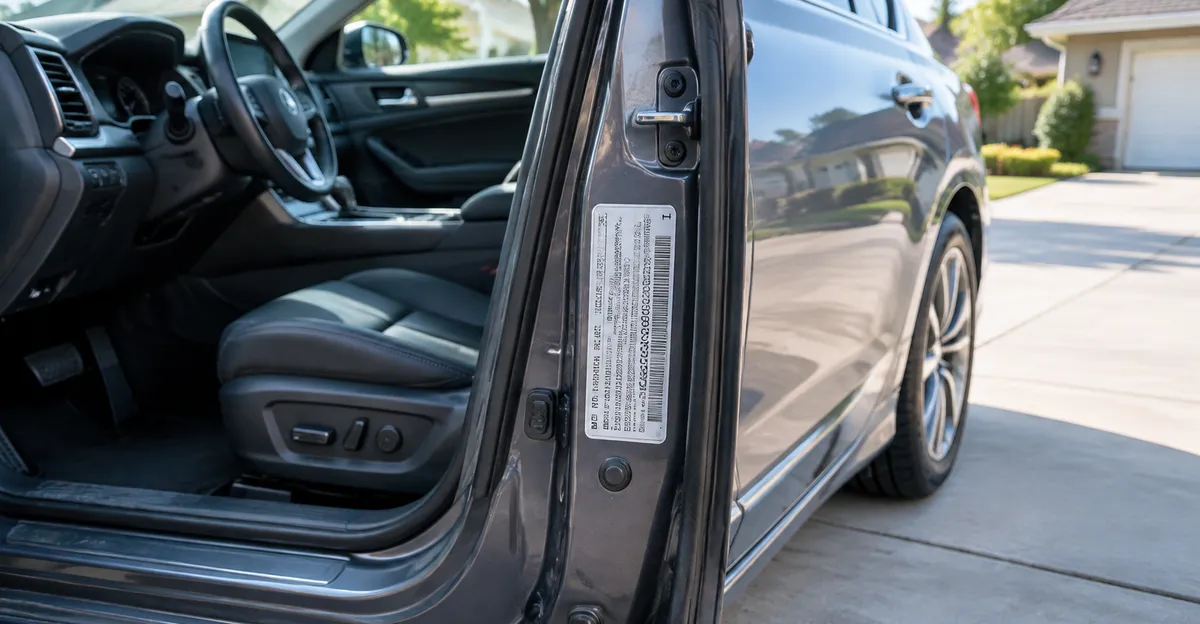
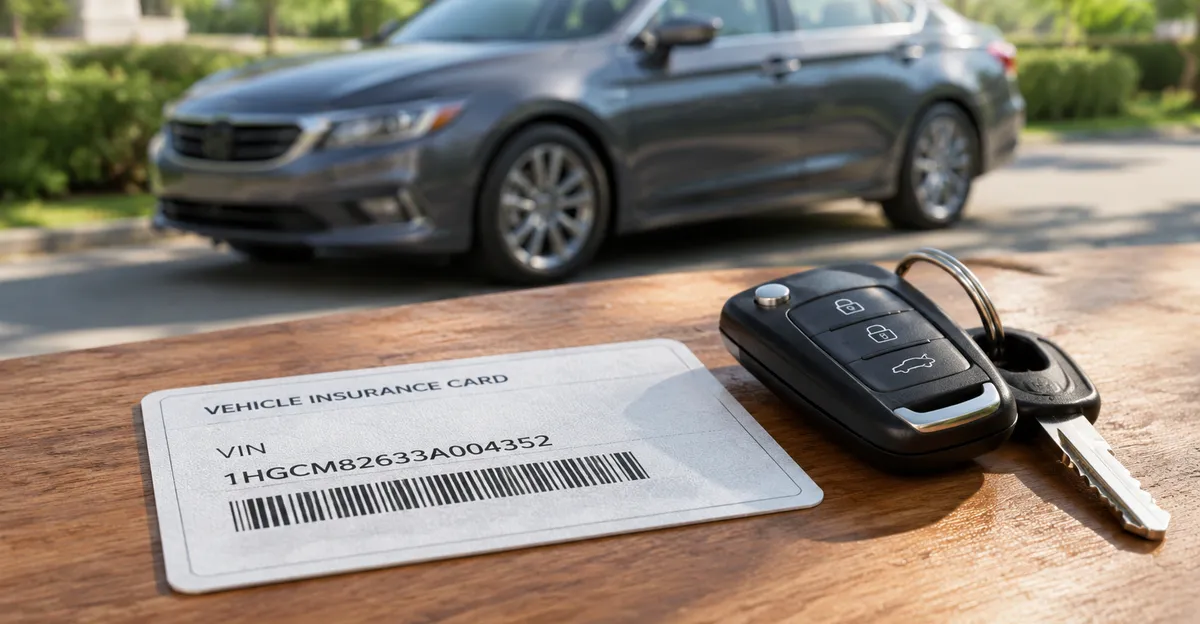
- Find the VIN. NHTSA points owners to the lower-left windshield, the driver-side door jamb label, the registration, or the insurance card.
- Open https://www.nhtsa.gov/recalls.
- Enter the 17-character VIN and search. Or select your state and enter the license plate if you are using the plate path.
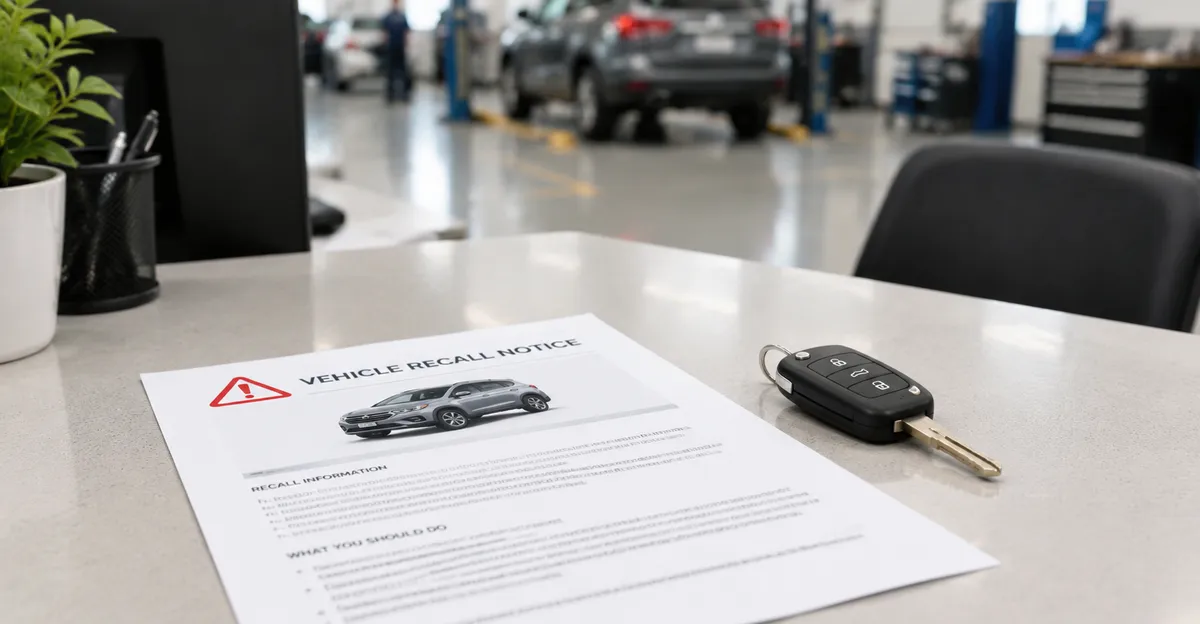
- Read open safety recalls for that vehicle. Note the campaign ID, the risk language, and any interim instructions.
- If an open recall appears, contact a dealer for that make and schedule the free remedy. Follow park-outside or do-not-drive guidance immediately when the notice says so.
- Optional: install NHTSA's SaferCar app, add the vehicle, and keep the record current so new campaigns can alert you.
NHTSA's Vehicle Safety Recalls Week materials say owners should check at least twice a year. The agency's consumer alerts pair seasonal clock changes with the same habit. In 2025 NHTSA counted 997 recalls covering vehicles, car seats, tires, RVs, and other equipment, with more than 29 million vehicles recalled in the United States, while millions of recall repairs still go unfinished. Those figures are NHTSA's published stakes, not a prediction for your garage.
You can also use the dedicated Recalls Look-up by VIN interface. That page states that recall information through the VIN tool is provided by the manufacturer conducting the recall, and that NHTSA does not record the VIN or the results you see.
What a VIN recall check covers — and what it skips
NHTSA's VIN look-up documentation is explicit.
Covered (typical):
- Safety recalls that are still incomplete on that VIN
- Safety recalls from about the past 15 calendar years
- Campaigns from major light-vehicle makers, including many motorcycle makers
Not covered (typical):
- Completed safety recall information
- Manufacturer customer-service or other non-safety campaigns
- International vehicles
- Very recently announced safety recalls whose VIN populations are not fully loaded yet
- Safety recalls more than about 15 years old, except where a maker offers more coverage
- Some small-manufacturer, ultra-luxury, or specialty campaigns
Ev.guru's used-EV checklist repeats the same limitation list for shoppers: a zero result is dated evidence for what the tool can show, not complete service history or a battery diagnosis. Ask the dealer or the manufacturer for VIN-specific completion records when the purchase depends on closed campaigns.
Also check child seats, tires, and equipment on the same NHTSA recalls hub when those products are in the household. A car can be clear while a car seat is not.
Recall vs check-engine light vs used-car paperwork
Shoppers blur three alarms into one.
An open safety recall means the manufacturer or NHTSA has determined a safety defect or noncompliance for a VIN population. The remedy is free through the maker's dealer network for that campaign. Mail notices go to registered owners, but registration gaps mean you should not wait for paper.
A check-engine light means the powertrain or emissions computer stored a fault. It can coincide with a recall. It is not proof of a recall. Sort drivability and lamps with a reader after the car runs normally. This site's scanner comparisons live on best OBD2 scanner for check engine light, best Bluetooth OBD2 scanner, and best code reader for cars. Those are later tools. They are not step one for a VIN recall check.
Used-car paperwork still needs title, Buyers Guide on dealer sales, and service records. A clear NHTSA result does not prove flood history, airbag replacements, or battery health. For used EVs, pair this lookup with used EV battery health. For mileage context on any used car, see what is good mileage for a used car.
Brand-specific recall explainers on this site, such as Fiat Ducato recall, exist when a campaign needs its own consumer sort. They still begin with the same NHTSA VIN habit. This page is not a rolling news wire for every maker.
How to check for recalls when you are buying or selling
How to check for recalls before money changes hands:
- Buyer: run the VIN yourself. Do not accept a screenshot without typing the digits.
- Buyer: ask for dealer printouts of completed campaigns when the NHTSA tool is silent on history.
- Seller: run the VIN before listing. Closing open recalls before showings removes a negotiation club.
- Dealer shopper: read the FTC Buyers Guide for warranty language. It does not replace NHTSA.
- Lease or fleet return: confirm open campaigns before turn-in when your contract cares.
If the notice says do not drive, arrange a tow to the dealer. NHTSA's consumer materials are blunt: get open recalls repaired, and follow interim safety instructions. Arguing with a service advisor about inconvenience is how unrepaired airbag and fire campaigns stay on the road.
Register tires and child seats when those products include registration cards. NHTSA's recalls hub covers those categories alongside vehicles.
After the result: schedule, document, recheck
| Result | Next move |
|---|---|
| Open recall with driveable guidance | Book the dealer; keep the campaign ID and your VIN handy |
| Open recall with do-not-drive or park-outside | Stop using the car as directed; tow if required |
| No open recall shown | Save a dated note; recheck in six months or after clock-change reminders |
| Recent news campaign not in the tool yet | Recheck in days; call the maker's recall number with the VIN |
| Check-engine light also on | Separate diagnosis after the car is safe to run; scanner is secondary |
Keep PDFs or photos of the NHTSA result with the date. When parts are on national backorder, ask the dealer how they will contact you and whether interim guidance has changed. NHTSA monitors recall completion; your job is to show up when parts arrive.
Scanners stay on the shelf until the car is awake and the recall question is answered. A code reader will not clear a safety campaign. A safety campaign will not explain a misfire code.
Mail notices, registration gaps, and the SaferCar app
Manufacturers must notify registered owners by first-class mail within about 60 days after notifying NHTSA of a recall decision, according to NHTSA's consumer recall materials. The gap is registration. If the title still shows a prior owner, the letter goes to the wrong mailbox. Private-party buyers who never update the maker's owner database inherit that silence. That is why typing the VIN yourself beats waiting for paper.
When you buy, ask the seller whether they completed open campaigns and request the repair order. When you sell, run the lookup before the listing photo shoot. An open airbag or fire campaign discovered at the test drive is a walk-away for many buyers and a price cut for the rest.
SaferCar is NHTSA's free app path for ongoing alerts. Add the vehicle and keep the equipment list current. Vehicle Safety Recalls Week is a good annual moment to open the app and confirm the VIN is still right after a trade-in. The app does not replace a manual check before a long trip with a car full of kids, and it does not diagnose a misfire.
Child seats, tires, and trailers have their own recall populations on the same NHTSA hub. A cleared car VIN with a recalled infant seat still leaves the household unsafe. Register those products when the card is in the box. A tire recall can sit under a car that itself has no open vehicle campaign.
Dealers, parts delays, and documenting the visit
Call the make's dealer with the campaign ID and the VIN. Ask whether parts are in stock, whether an interim software update exists, and whether loaner or shuttle options apply when the notice limits driving. Get the appointment in writing when backorders stretch for weeks.
Bring:
- The VIN on the dash or jamb photo if the advisor asks
- The NHTSA result or manufacturer letter
- Proof of ownership if you are not yet on the title paperwork the dealer expects
- Any interim guidance printout that says park outside or do not charge overnight for EV-related campaigns
After the repair, keep the invoice. Future buyers will ask. NHTSA's VIN tool may still omit completed work, so your paper is the history. If the dealer says the VIN is not in the campaign despite NHTSA showing it, escalate with the manufacturer's recall assistance line and keep timestamps. Do not ignore a conflict and drive away.
Unrelated upsells are common at the same visit. A safety recall remedy is free for the recalled defect. A "while we are here" brake job is optional and billable. Separate the conversations. If the car also has a check-engine light, decide whether to authorize diagnosis as a separate ticket after the recall parts are done.
What this page will not sell you
- A paid VIN report as a required first step. The NHTSA lookup is free.
- Brand recall news as the H1. Enter your VIN.
- An OBD2 scanner affiliate table as the primary CTA. Linked scanner guides are for later.
- Invented Semrush volume or KD. Trends relative figures only.
- Legal advice about liability if you ignore a notice. Treat open recalls as safety work.
As an Amazon Associate, we may earn from qualifying purchases when other MyCarWhy guides link products. This page's primary call to action is the free government lookup.
Used-car ads, auction sheets, and out-of-state titles
Before you travel to see a used car, run the VIN recall check yourself. Do not trust a screenshot of a zero-result page dated last year. Re-enter the VIN on NHTSA.gov/recalls the morning of the visit. Ask the seller to show incomplete campaigns cleared at a dealer with a repair order that names the same VIN. An auction sheet that says "recall open" is a pricing input, not a reason to skip the federal lookup.
Out-of-state titles and recent moves matter because mail notices follow the address on file with the maker and the state. If you bought privately and never updated the manufacturer owner record, you may miss letters even when NHTSA's VIN tool would show an open campaign. Create or claim the vehicle in the maker's owner portal and in SaferCar after purchase. That habit is separate from registration; both deserve a checklist line on moving day.
When a dealer says the recall parts are on national back-order, ask for the campaign number, the estimated date, and whether interim guidance says park outside or stop driving. Write those answers on the repair order. Recheck NHTSA monthly until the remedy completes. A parts delay does not erase the open campaign in the federal tool; it only explains why the dealer has not closed it yet.
If you are selling, pull the VIN recall check before you list. Disclose open campaigns in writing. Buyers who discover an incomplete airbag or brake campaign after a deposit will renegotiate or walk. Clearing free safety work before photos often costs only scheduling time and improves trust more than another polish pass. Keep a PDF of the NHTSA result and the dealer close-out with the bill of sale so both parties share the same dated record.
FAQ
Where do I run a free VIN recall check?
Go to NHTSA.gov/recalls and enter the 17-character VIN, or use the license-plate path by selecting your state and entering the plate. NHTSA also points owners to the SaferCar app for ongoing alerts. The dedicated VIN look-up tool at vinrcl.safercar.gov explains what the search covers and what it does not.
Is a VIN recall check the same as reading a check-engine light?
No. An open safety recall is a manufacturer or NHTSA safety campaign tied to your VIN. A check-engine light is an emissions or powertrain fault code the car is throwing now. You can have either, both, or neither. After the car wakes normally, a scanner can read codes. That tool does not replace NHTSA.gov/recalls.
What does the NHTSA VIN recall check not show?
NHTSA's VIN look-up documentation says the tool focuses on incomplete safety recalls for many major light-vehicle makers over about the past 15 years. It does not show completed recalls, most customer-service non-safety campaigns, international-vehicle recalls, some very recently announced recalls whose VIN lists are incomplete, most recalls older than 15 years, or some small-manufacturer campaigns. A zero result is dated evidence for what the tool covers, not a full service history.
Are recall repairs free?
Safety recall remedies from the manufacturer are free at participating dealers for the recalled defect. NHTSA tells owners to schedule the repair and to follow any interim guidance such as do-not-drive or park-outside instructions. Bring the recall notice and your VIN. A dealer may still charge for unrelated diagnosis if you also have a separate drivability complaint.
How often should I run a car recall lookup?
NHTSA advises checking at least twice a year because hundreds of recalls are issued each year and some campaigns are updated. Changing clocks is a common reminder pair with a VIN check. Download SaferCar if you want push alerts after you add the vehicle.
Does this page cover Fiat Ducato or other brand recall news?
No. Brand-specific campaign pages such as Fiat Ducato recall stay on their own URLs when this site covers them. This page teaches the free NHTSA VIN workflow for any US light vehicle the tool supports. Enter your VIN rather than searching headlines.