
By Automotive Research TeamUpdated 2026-09-28
What is good mileage for a used car
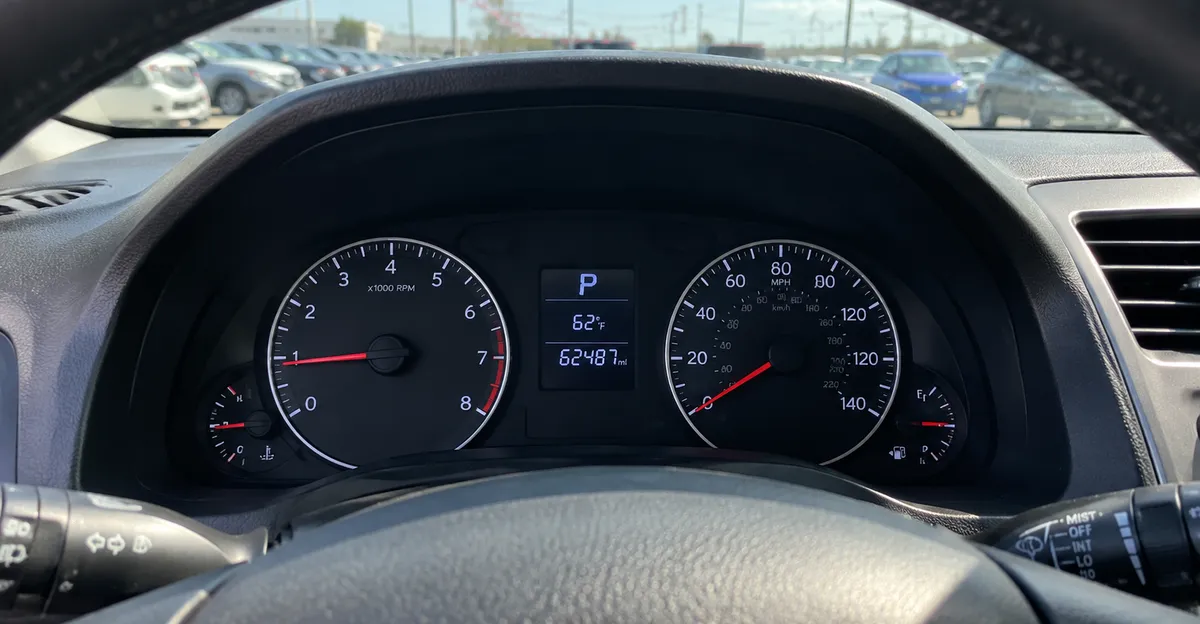
What is good mileage for a used car starts with annual miles, not a magic odometer number. NerdWallet defines good mileage as an annual average at or below what a typical car adds each year—about 13,000 to 15,000 miles—so a six-year-old car near 72,000 miles or less can sit in that band. Lemonade’s buyer guide uses a cleaner 12,000-miles-per-year rule of thumb and treats a five-year-old car at about 60,000 miles as generally good. Both sources then say the same hard thing: mileage is a starting filter. Maintenance, how the car was driven, make and model, and a real inspection decide whether that number is a bargain or a trap. This page is general education for ordinary U.S. buyers. It is not a guarantee that any specific car will last a set number of miles.
The ranking pages you already see online stop at that shared floor. They tell you to divide miles by age, prefer highway miles over stop-and-go city miles, and get a vehicle history report. Useful. Incomplete. After you run the math, you still have to decide whether your annual miles will burn the remaining life too fast, which mileage-interval jobs should already be stamped in the folder, how cabin wear should match the clock, and when a certified high-mileage car beats a suspiciously quiet low-mileage private listing. Those follow-ups are the rest of this guide.
The Annual-Miles Rule Buyers Actually Use
What is a good mileage for a used car in most U.S. shopping guides? Divide the odometer by the car’s age in years. Lemonade says most automotive experts treat about 12,000 miles per year as typical. NerdWallet’s range of roughly 13,000 to 15,000 miles per year lands in the same neighborhood and matches CarBravo’s “average vehicle accrues around 12,000–15,000 miles every year” language. If the result is at or under that band, shoppers call the mileage good for the car’s age. If it is clearly over, they call it high—not automatically bad.
Use Lemonade’s quick table as a planning baseline, not a promise:
| Vehicle age | About 12,000 miles/year “good” ceiling |
|---|---|
| 1 year | 12,000 miles or less |
| 3 years | 36,000 miles or less |
| 5 years | 60,000 miles or less |
| 10 years | 120,000 miles or less |
CarBravo’s absolute buckets are a second lens: under 30,000 miles as low (often a 2–3 year car), 30,000–70,000 as average/mid, and over 70,000 as high, typically on cars over about six years old. Those absolute bands collide with the per-year rule on older cars. A ten-year-old car at 110,000 miles is “high” on CarBravo’s absolute chart and still near average on Lemonade’s 12,000-per-year math. Resolve the conflict by leading with annual miles, then layering age, brand longevity, and service proof.
NerdWallet also separates odometer mileage from gas mileage. Shoppers searching “good mileage” sometimes mean MPG. This article is about the odometer—wear and remaining life—not fuel economy stickers.
| What you ask | Shared answer from fetched guides | What that answer leaves open |
|---|---|---|
| Good for its age? | ≈12k–15k miles/year (Lemonade; NerdWallet; CarBravo) | Whether your commute will outrun that pace |
| High mileage? | Often >15k/year (Lemonade) or absolute >70k (CarBravo) | Which upcoming major services the price must fund |
| 100,000 miles? | Not a hard stop if maintained (NerdWallet; Lemonade) | Exact jobs due near that mark for this model |
| Low miles? | Attractive, but ask why (Lemonade; CarBravo) | Seat, pedal, and tire wear that should match the clock |
Age Times Odometer Is Only Half the Story
What is a good mileage for used car shopping when two listings share the same year? Run the annual-miles math first, then ask which clock is lying. A three-year-old car at 48,000 miles is high on Lemonade’s 12,000-per-year scale. A ten-year-old car at 90,000 miles is under that same scale. The younger high-mileage car may still be the better buy if Lemonade’s age-versus-mileage advice holds: newer cars often keep more warranty, better safety hardware, and fewer age-related seal and rubber failures than older low-mileage cars.
NerdWallet cites U.S. Department of Transportation context that the average car on the road is about 12.5 years old—up more than three years from the early 2000s. That fleet age matters for expectations. A “high mileage” car at 120,000 miles is no longer automatically near scrap if the brand’s reliability reputation and service folder support another stretch. NerdWallet notes that brands known for reliability can reach 200,000 miles or more when maintained; Lemonade names Toyota and Honda in the same breath for long-running examples.
Do not treat brand reputation as a free pass. Reliability surveys change, and the same badge can hide a weak transmission year. Use the brand as a prior, then verify the specific powertrain and the maintenance that powertrain needs. When the folder shows regular oil work and fluid services, CarBravo’s point applies: a higher-mileage car with routine visits can be more dependable than a low-mileage car that never saw an oil change.
High Mileage With Records Versus Low Mileage That Sat
The shared floor across NerdWallet, Lemonade, and CarBravo is blunt: maintenance history beats the odometer. A higher-mileage car with consistent oil changes, fluid services, and documented repairs often beats a neglected low-mileage car. Lemonade’s low-mileage warning is specific—under about 10,000 miles per year can be great if it was a weekend car, and risky if the car sat for months. Seals dry. Fluids break down. Parts can seize. CarBravo flips the same coin: low mileage with skipped oil changes can cost more in repairs than a highway-commuter car that was serviced on schedule.
Highway versus city miles is the other shared filter. Lemonade and CarBravo both say highway cruising is generally easier on engines, brakes, and transmissions than stop-and-go city use. Two cars at 80,000 miles are not twins if one lived on an interstate and the other crawled a dense commute. Vehicle history reports rarely spell out “highway only,” so you infer from the seller’s story, tire wear pattern, brake life, and whether the odometer rose in big annual jumps consistent with a long commute.
Multiple owners raise the same caution Lemonade circles: more hands mean more chances someone skipped service. Lemonade prefers one careful previous owner with regular maintenance over three owners who barely kept up with oil changes. CarBravo adds collisions and multi-owner histories as risk multipliers even when the mile count looks fine.
Rideshare and fleet use deserve a hard question. NerdWallet notes that rideshare miles can wear a car faster than ordinary personal use. Lemonade flags extremely high mileage in a short time as a possible rental or fleet pattern. Neither fact kills the deal. Both facts raise the bar for inspection and for price.
How Your Future Miles Change the Math
Ranking pages tell you whether the seller’s miles were average. They rarely force the next decision: how many miles will you add? If you drive 8,000 miles a year, a 90,000-mile car with clean records can still give you a long calendar window. If you drive 18,000 miles a year—about 50 percent above the common 12,000-mile annual benchmark—that same car reaches high totals much sooner than it would under lighter use.
Build a crude remaining-life sketch before you fall in love with a listing:
- Pick a realistic annual miles number for your household—commute, school runs, road trips. Do not use a fantasy number to make the deal look safe.
- Decide how many years you want to keep the car. Three years and eight years are different buys.
- Multiply. A car at 95,000 miles that you will drive 15,000 miles a year for five years ends near 170,000 miles. That may be fine on a durable Japanese sedan with records. It may be reckless on a neglected luxury car whose major services were deferred.
- Price the upcoming jobs into the offer. Timing-chain or belt work, transmission fluid service, cooling-system refresh, and suspension parts near that horizon are not “someday” costs. They are part of the purchase price whether the seller admits it or not.
CarBravo’s buyer checklist asks a related question in plain language: how many miles do you typically drive a year, and will mileage matter to you at resale? If you plan to sell in two years, buying a car that will cross an ugly 100,000-mile listing cliff under your ownership can erase the “cheap high-mileage” discount. If you plan to drive it into the ground, resale cliffs matter less than mechanical honesty.
Insurance quotes belong in the same spreadsheet. Lemonade notes that age and mileage can affect rates, and that older high-mileage cars are often cheaper to insure because they are worth less, while newer cars with strong safety gear may earn discounts. Get quotes on the exact VIN before you sign. A bargain odometer that doubles your premium is not a bargain.
Mileage-Interval Jobs That Should Already Be Done
Shared advice says “check maintenance.” It leaves hanging which stamps should already exist at common mile marks. You cannot invent a universal schedule—the owner’s manual for that VIN wins—but you can refuse to buy blind when major interval work is due and undocumented.
Ask for dated invoices, not stories. Look for oil and filter changes at the interval the manufacturer published for that oil type. Look for tire rotations, brake inspections, cabin and engine air filters, coolant service, transmission fluid service where the maker calls for it, and spark plugs on cars that still use replaceable plugs. CarBravo explicitly names oil changes, transmission fluid checks, brake replacements, and coolant flushes as mileage-based services that should track the manufacturer’s schedule.
Near 60,000 to 100,000 miles, many cars hit a cluster of medium jobs. Near 100,000 to 150,000 miles, CarBravo’s high-mileage band often coincides with more frequent repairs. That does not mean walk away. It means the asking price must leave room for a shop visit after purchase. A seller who “just did everything” should show receipts. A seller who “never needed anything” on a 120,000-mile car is describing luck or denial.
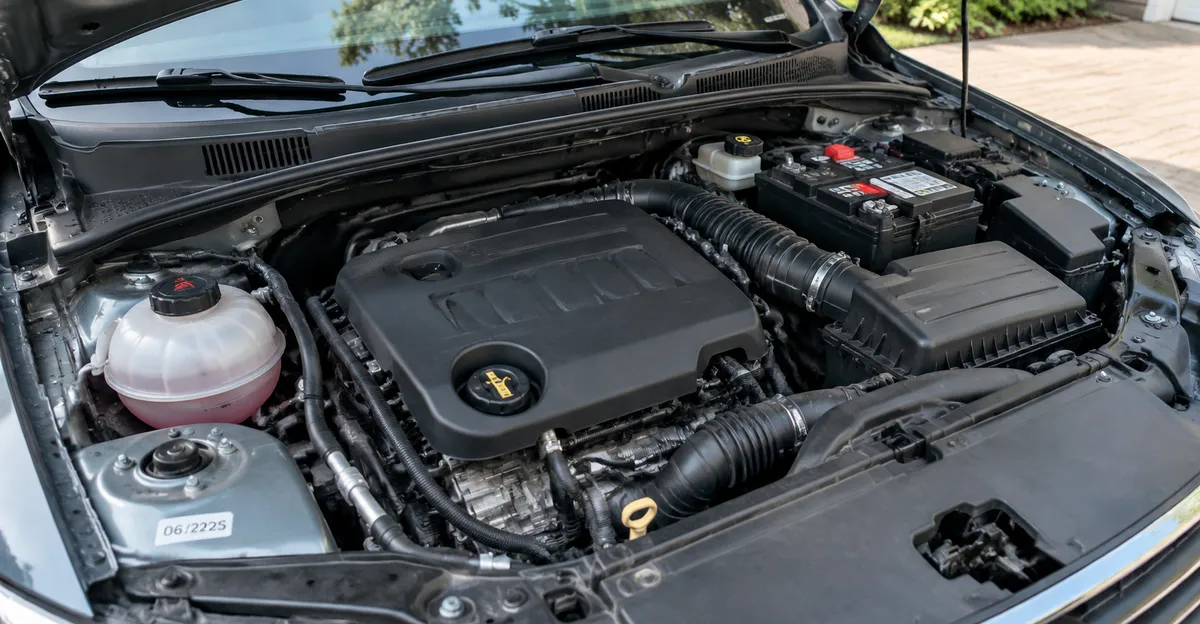
Watch the engine bay for fresh oil on the dipstick, dry leaks under the car, and belts or hoses that look cracked rather than merely dirty. A neglected battery on a low-mileage garage queen is a classic sit-car failure mode—Lemonade’s seal-and-fluid warning shows up as a weak crank long before the odometer looks scary. If warning lights appear on a short test drive, stop negotiating until a scan explains them. Mileage math does not override a lit malfunction lamp.
Match Cabin Wear to the Clock
Lemonade’s practical check for odometer honesty is visual: pedals, steering wheel, gear shifter, and seats should wear in proportion to the stated miles. CarBravo says the same for interior wear, engine-bay condition, and brake/tire wear. A 40,000-mile car with a polished brake pedal and a collapsed driver’s bolster is a story problem. A 140,000-mile car with mint pedals and glassy tires can be a story problem the other way.
Do this in order:
- Pull a vehicle history report and confirm the mileage trend across title events and prior listings. Lemonade and CarBravo both treat a clean, consistent history as more important than a perfect mile count.
- Walk the interior before you start the engine. Photograph the driver’s seat bolster, steering-wheel rim, pedal pads, and shifter. Compare those photos to other cars of the same year and mile band if you can.
- Check tire date codes and tread. Even wear with old date codes can mean the car sat. Uneven wear can mean alignment neglect that the odometer never recorded.
- Drive highway and city, as Lemonade recommends. Listen for noises that point past the odometer into the brakes, suspension, or drivetrain. A smooth highway mile count cannot hide a grinding pad or a failing wheel bearing forever.
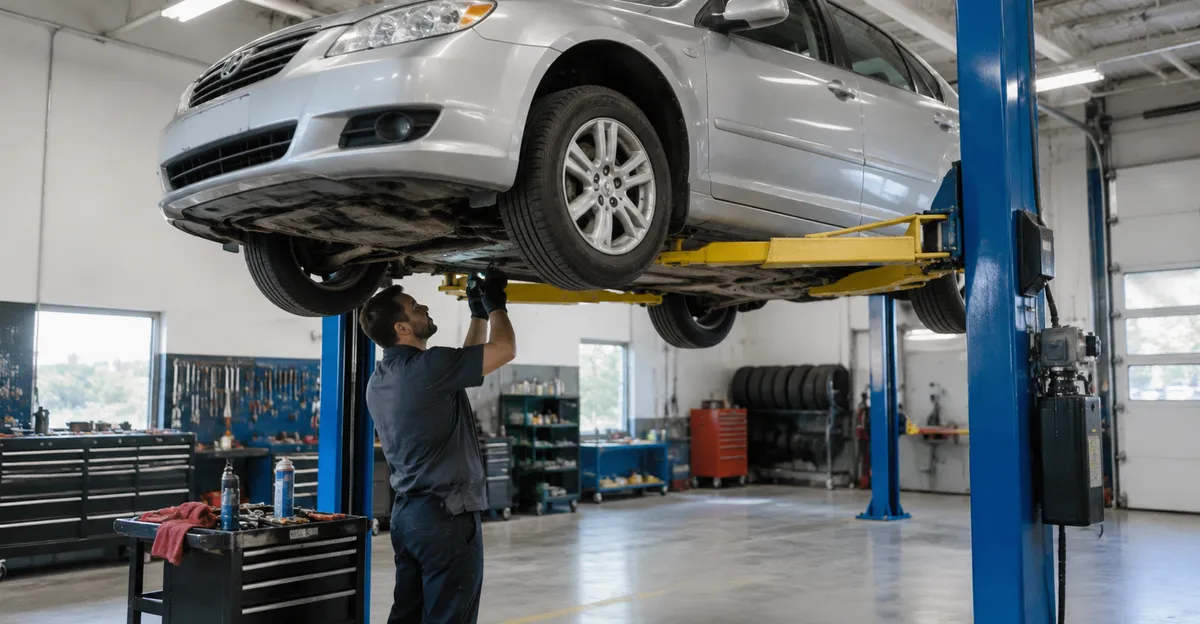
- Pay for a pre-purchase inspection at a shop you choose. NerdWallet’s bottom line is the same as Lemonade’s and CarBravo’s: get a thorough inspection before you buy, regardless of mileage.
Title brands and flood history sit outside the odometer. A rebuilt title at “good” miles is not a good-miles deal. A flood entry at any mile count is a walk-away for most ordinary buyers. State branding rules vary. Read the title language for that state instead of assuming a nationwide meaning from a blog.
Price Bands, CPO, and When to Walk Away
Lemonade’s budget bands are useful once the mechanical story checks out:
| Goal | Rough age / miles (Lemonade) | What you are paying for |
|---|---|---|
| Best overall value | 3–5 years, 40,000–70,000 miles | Depreciation already taken; still relatively modern |
| Budget-conscious | 6–8 years, 80,000–110,000 miles | Bigger discount; need records and inspection |
| Premium / near-new | 1–3 years, under 30,000 miles | Warranty left; highest price |
CarBravo notes that higher-mileage cars between about 100,000 and 150,000 miles are often more affordable, and that certified, inspected examples with warranties can be smart risk trades. Certified pre-owned programs vary by brand. Read what the warranty covers—powertrain only versus bumper-to-bumper—and what it excludes. A CPO badge does not replace your own inspection if something feels wrong on the test drive.
Private-party prices are often lower than dealer prices for the same miles. The trade is documentation. Independent shops may not have uploaded every oil change to a history report, as NerdWallet warns, so a private seller’s paper folder can matter more than the digital report. If the seller will not allow an independent inspection, walk. Mileage is irrelevant when you cannot verify the car.
Walk away when:
- The annual-miles math is extreme and there are no service records.
- Wear, smell, or warning lamps disagree with the odometer story.
- The history report shows mileage rollbacks, gaps, or branding you will not accept.
- The price of a “cheap” high-mileage car disappears once you add the next major service and a realistic insurance quote.
- The seller rushes you past inspection “because someone else is coming.”
If you still want the car, renegotiate with receipts in hand. Asking for money off to cover a due timing-belt job or a soft battery is ordinary. Pretending those costs are optional is how a good odometer number becomes an expensive ownership year.
A Practical Buy Checklist After the Odometer
Use this sequence so the shared advice does not strand you:
- Calculate annual miles (odometer ÷ age). Compare to the 12,000–15,000 band from Lemonade, NerdWallet, and CarBravo.
- Label the car low, average, or high—then write one sentence why the label is acceptable for your future miles.
- Collect maintenance invoices and a history report. Prefer stamped intervals over verbal claims.
- Match pedals, seats, tires, and brakes to the stated miles.
- Test drive city and highway. Note noises, shifts, and any warning lights.
- Book a pre-purchase inspection. Ask the shop specifically about jobs due at this mileage for this model.
- Price insurance on the VIN. Confirm you can register and title the car under your state’s rules.
- Only then negotiate. Good mileage is a filter. Closing the deal is a condition and paperwork decision.
Buying a used car also takes calendar time beyond the odometer quiz—lot visits, financing, and delivery steps that sit outside this page. Mileage answers “is this the right car?” Time-on-lot answers “how long will today take?” Keep those questions separate so a clean mile count does not rush you into a bad F&I afternoon.
FAQ
What mileage is good for a used car?
What mileage is good for a used car depends on age first. Lemonade’s guide uses about 12,000 miles per year, so five years near 60,000 miles is a common “good” example. NerdWallet’s 13,000–15,000 annual band and CarBravo’s similar range support the same approach: divide miles by years, then verify maintenance and condition before you trust the number.
Whats a good mileage for a used car?
Whats a good mileage for a used car in plain lot talk is usually “at or under average for its age.” CarBravo’s example puts a four-year-old car near 48,000 miles in a normal band and 29,000 miles in a low band. Lemonade treats under 10,000 miles per year as low—attractive if the car was driven gently and maintained, suspicious if it sat. Over 15,000 miles per year is high; highway miles and a thick service folder can still make it a buy.
Is 100,000 miles too many?
Often no. NerdWallet and Lemonade both reject the old idea that 100,000 miles ends a modern car. Lemonade’s FAQ example—an eight-year-old car at 100,000 miles from a durable brand—can still have years left if service is real. Your inspection and the cost of the next major services decide the deal, not the six-digit odometer alone.
Should I prefer newer high-mileage or older low-mileage?
Lemonade usually prefers the newer high-mileage car when records are comparable, because safety features, remaining warranty, and fewer age-related rubber and seal failures matter. That preference collapses if the newer car was a fleet beater with no service proof. Compare folders and inspections, not slogans.
How do I know the odometer is honest?
Lemonade’s checklist is wear that matches: pedals, wheel, shifter, seats. Add a history report with a consistent mileage trend, and an independent inspection if anything feels off. CarBravo’s matching of interior, engine bay, brakes, and tires to expectations is the same idea. If the stories conflict, believe the wear and the paperwork over the seller’s pitch.