
By Automotive Research TeamUpdated 2026-09-25
How long does it take to buy a car
How long does it take to buy a car depends on which clock you start. At a U.S. dealership, Experian’s review of the 2024 Cox Automotive Car Buyer Journey Study puts the purchase visit near three hours from arrival to driving off. The same Cox numbers put the full shopping journey—online research, talking with others, visiting other sellers, then closing—at roughly 13.5 hours for a new car and 14.5 hours for a used car. MotorTrend’s Car Salesman Confidential column stretches the lot visit to three to five hours and tells buyers to block half a day. This page is general education for ordinary U.S. drivers. It is not legal, tax, lending, or insurance advice for your state or your deal.
Two clocks matter. The short clock is the dealership day: test drive, price, finance office, delivery. The long clock is everything before that day and everything after you leave with temporary tags. Confusing those clocks is why people feel blindsided when a “quick stop” becomes an afternoon, or when the permanent title still has not arrived weeks later.
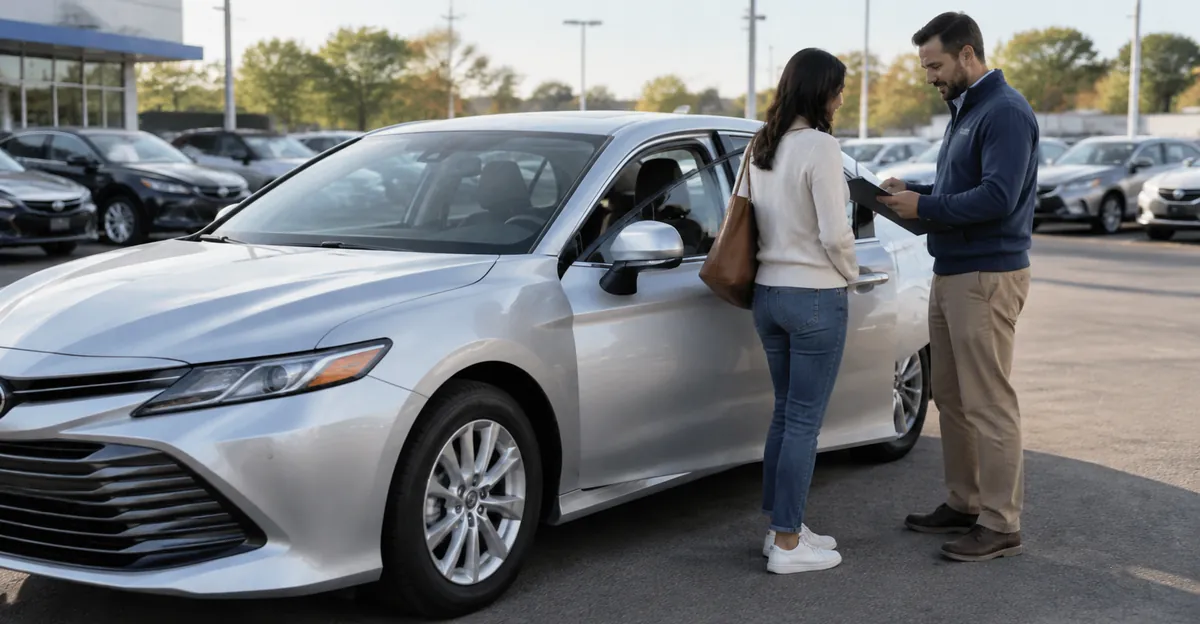
What the Numbers Actually Measure
Cox Automotive’s 2024 Car Buyer Journey Study is the source Experian uses for stage-by-stage averages. The table below is the shared floor almost every ranking explainer repeats. Treat it as a planning baseline, not a promise for your ZIP code or your credit file.
| Stage | New car (Cox 2024) | Used car (Cox 2024) |
|---|---|---|
| Researching and shopping online | 6 hours 31 minutes | 7 hours 29 minutes |
| Talking with others | 47 minutes | 1 hour |
| Visiting other dealerships or sellers | 2 hours 55 minutes | 2 hours 51 minutes |
| With the dealership or seller where purchased | 2 hours 55 minutes | 2 hours 54 minutes |
| Total active shopping time | 13 hours 35 minutes | 14 hours 37 minutes |
Source: 2024 Cox Automotive Car Buyer Journey Study, as summarized by Experian.
Cox also tracks “time in market”—calendar days from serious shopping to purchase—separately from those active hours. In the 2024 topline, that window still sits near three months for many buyers. Active hours and calendar days answer different questions. You can burn fifteen hours across ninety days and still feel rushed on signing day.
Car and Driver, citing Deloitte research, reports that most shoppers want an hour or less in the showroom while the average lot visit still lands above three hours. That gap is the pain point. The rest of this guide is about what creates it and what decisions still hang after the shared advice—“get preapproved,” “bring your documents,” “shop on a weekday morning”—is followed.
| What you ask | Typical answer from fetched sources | What it does not settle |
|---|---|---|
| Time on the purchase lot | ~3 hours (Experian/Cox); 3–5 hours (MotorTrend) | Whether you leave with the car that night |
| Full shopping effort | ~13.5 hours new / ~14.5 hours used (Cox) | Factory order lead times or private-party DMV trips |
| After you sign | Temporary tags now; title often 2–6 weeks (LegalClarity) | Your state’s exact registration deadline |
How Long Does It Take to Buy a New Car
How long does it take to buy a new car if the car is already on the lot? Cox’s purchase-visit number is about two hours and fifty-five minutes at the selling store, and Experian rounds the whole new-car journey to about 13.5 hours of active work. That is the stock-car path: choose a VIN that exists, negotiate, finance or pay cash, sign, take delivery.
Stock is not the only new-car path. Ordering from the factory or waiting for a dealer trade from another store resets the calendar. You may finish paperwork in one visit and still wait days or weeks for the vehicle to arrive, get detailed, and be released. Ranking pages that quote “three hours” almost always mean an in-stock retail delivery, not a build-to-order timeline. Ask the store for an estimated arrival date in writing before you treat the Cox average as your drive-home date.
New-car delivery itself has grown longer. MotorTrend’s former salesperson column describes manufacturer delivery checklists with multiple modules, feature walk-throughs, subscription enrollments, and first-service introductions. That work happens after F&I. It is why a deal that “felt done” at 7 p.m. can still keep you on the lot until late evening. If you are tired, hungry, or watching a child, say so and ask which modules can be finished at a later appointment without voiding the sale.
New-car decisions that change the clock
- In-stock VIN versus factory order: stock can finish same day; orders move the handoff date.
- Lease versus retail loan: both still pass through F&I, but lease menus and mileage caps add review time.
- Manufacturer incentives tied to captive financing: comparing a bank preapproval to a captive offer can add lender calls.
- Accessories installed before delivery: bed liners, hitches, and film jobs can push the car to another day.
How Long Does It Take to Buy a Used Car
How long does it take to buy a used car under the same Cox study? About 14 hours and 37 minutes of active shopping, with nearly three hours at the selling dealer or seller. Experian notes that used buyers spend roughly an extra hour online because each vehicle has a unique history and condition. Day-of closing time is almost identical to new. The extra work is usually before you sit in F&I: history reports, photos, comparisons, and sometimes a third-party inspection.
A dealer used-car sale still often includes temporary tags and dealer-submitted title work, similar to new. A private-party sale usually finishes the handshake faster—LegalClarity puts the paperwork meet under an hour once price and a clean title are settled—but then you own the DMV trip. That after-visit work is easy to omit from “how long did buying take” until a registration deadline approaches.
Used-car steps that add real days
- Pre-purchase inspection (PPI): schedule with an independent shop; results can kill the deal or force repairs before you sign.
- Lien payoff on a trade or on the car you are buying: LegalClarity describes lender lien release as often two to six weeks when paper titles still move by mail, faster where electronic lien systems exist.
- Branded or salvage history: insurance shopping and lender approval can stall if the title brand was not disclosed early.
- Out-of-state purchase: VIN inspection, emissions rules, and inter-state title transfer can add one to four weeks beyond a clean in-state dealer deal, according to LegalClarity’s out-of-state overview.
If you are comparing condition, look past paint. Listen for engine noises on a test drive, check wheels and tire wear for alignment stories, and note whether a scuffed bumper, lights, or sensors were replaced after prior damage. Those checks cost minutes on the lot and can save you from buying a problem that takes weeks to unwind.
Financing, Cash, and the F&I Bottleneck
Shared advice says financing is the slow stage. MotorTrend explains why: the finance office submits the deal to lenders, confirms insurance, prepares contracts, calculates taxes, issues temporary tags, and often presents add-on products. Sales software and F&I software may not share data cleanly, so information gets re-typed. Weekends create queues because there are more salespeople than finance managers. LegalClarity budgets a possible thirty-minute wait before F&I even starts, then about thirty to forty-five minutes inside if you decline a long product pitch.
Experian’s Cox-based tip is concrete: buyers who complete more than half of the process online average about two hours and fifteen minutes at the dealership; buyers who complete twenty percent or less online average about three hours and five minutes. Preapproval from a bank or credit union does not ban the dealer from offering a competing loan. It does mean you walk in knowing a rate, term, and payment you can accept. Car and Driver’s hour-or-less playbook starts with the same homework: know trade value, know the car, know market price, get prequalified, then set a firm appointment.
Cash removes lender approval but not paperwork. You still need identity documents, insurance proof, tax and title forms, and a funding method the dealer accepts. Large personal checks and wire rules vary by store. Ask in advance how cash deals fund and whether the car can leave the same day.

| Payment path | What speeds up | What still takes time |
|---|---|---|
| Bank or credit-union preapproval | Fewer surprise credit applications; clearer payment target | Dealer may still re-run credit; F&I still prepares contracts |
| Dealer-arranged financing only | One-stop shopping | Lender shopping, stipulations, possible next-day funding |
| Cash or cashier’s check | No loan underwriting | Verification of funds; still full title and registration packet |
| Lease | Monthly payment focus | Mileage, wear, and residual review; often captive-lender rules |
Trade-ins add their own clock. Experian estimates an extra thirty to sixty minutes for inspection and trade negotiation. A trade with an unpaid loan needs a payoff quote and lender cooperation. Do not assume the trade appraisal and the purchase price are one conversation. Separating them keeps the math honest and the visit shorter.
Insurance, Title, and Registration After You Leave
Nearly every state expects proof of auto insurance before you register—and dealers typically will not release a car without it. LegalClarity notes an insurer can often email a binder the same day if you do not already have a card for that VIN. Call your insurer before you sit in F&I. Give them the VIN, garage ZIP, and whether the car is financed. Lender-required full coverage is separate from state liability minimums; see why insurance rules exist in the ownership sense, not as a purchase-time myth.
Temporary tags bridge the gap while the state processes the title and registration. LegalClarity describes temporary permits as commonly valid for thirty to ninety days depending on the state, with permanent plates and title often mailed in two to six weeks. High-volume periods can stretch longer. If the temporary tag will expire before plates arrive, contact the dealer or your motor vehicle agency for an extension path. Driving on an expired temp tag is a separate problem from “how long did buying take,” but it is part of the true end-to-end timeline.
Registration deadlines after purchase commonly fall in a ten-to-thirty-day band, with some states shorter or longer. Car Paperwork’s state roundup lists California among the tighter windows at about ten days. When you buy from a licensed dealer, the dealer usually submits the packet. In a private sale, the deadline is yours. Rules vary by state; verify with your motor vehicle agency rather than treating any national summary as a statute.
| After signing | Typical range from fetched sources | Your next check |
|---|---|---|
| Temporary tag issued | Same day at many dealers | Expiration date on the paper plate |
| Permanent title and plates mailed | Often 2–6 weeks | State backlog; financed titles may go to the lender |
| Private-party DMV filing | Same day meet; agency visit afterward | Your state’s transfer deadline from the sale date |
| Lien release on a paid-off loan | Often 2–6 weeks after final payment | Electronic vs paper title state |
This site’s other ownership guides cover related decisions—why liability insurance is required, how quotes move for reasons other than paint color, and registration schemes that create tax questions. Purchase day is when those systems first collide: you need coverage now, plates soon, and a clean title path whether cash or financed.
What Stalls a Same-Day Drive-Home
The shared tips (weekday morning, documents ready, preapproval, online negotiation) still leave practical hangs. These are the follow-ups ranking pages raise and then leave half-answered.
Credit stipulations (stips) and declines. A lender may approve subject to proof of income, residence, or a larger down payment. Those conditions are the stips. Gathering those documents mid-deal adds hours or a second visit. A decline forces a new lender search or a cash rethink. Ask what stipulations are open before you rearrange your afternoon.
Missing or messy trade paperwork. Bring the trade title if you have it, both sets of keys, payoff information, and loan account numbers. A title left in a drawer at home is a classic next-day delay.
Wrong data entry. MotorTrend notes that a wrong ZIP for tax calculation or a wrong VIN can force a full re-paper. Slow down when you verify the buyer’s order and the contract VIN against the dashboard plate.
Inventory and detailing. The car you agreed on may still be in transit from another lot, or still in the wash bay. Confirm the exact stock number and ask whether detail is done before you arrive.
Add-on pitches. LegalClarity’s F&I timing assumes you can decline products quickly. Listening to every warranty and protection package presentation is a choice that lengthens the visit. Decide your yes/no list before you sit down.
Factory options and dealer-installed gear. Film, hitch, and audio installs are not Cox “research hours.” They are calendar days between sold and delivered.
| Stall | Signal | First move |
|---|---|---|
| Lender stipulations | F&I asks for more pay stubs or a bigger down | Ask which docs close the approval today |
| Trade lien | Payoff not ready | Get a written payoff good-through date before the appointment |
| No insurance binder | Desk will not release keys | Call your insurer with the VIN before F&I |
| Car not detailed / not on site | Delivery postponed | Confirm stock number and location when you book the appointment |
| Private sale, no dealer filing | Fast handshake, open DMV task | Book the agency visit within your state’s deadline |
Same-Day Drive-Home and How to Compress the Visit
Use this table when someone asks whether “buying” means driving tonight. Then use the checklist below it to shorten the lot clock when same-day is realistic.
| Situation | Realistic same-day drive-home? | Why |
|---|---|---|
| In-stock new or used, preapproved, insured, clean trade | Often yes | Matches the three-hour Cox purchase visit |
| In-stock but financing needs stipulations | Maybe next day | Lender conditions block funding or release |
| Factory order or dealer trade inbound | No for that VIN | Delivery date is separate from paperwork day |
| Private party, clean title, cash | Handshake yes; legal registration later | You still must file with the state |
| Seller still owes the bank | Risky / delayed | Lien release can take weeks if mishandled |
| Out-of-state title into a strict inspection state | Often multi-day or multi-week | VIN and emissions steps add calendar time |
Car and Driver’s under-an-hour method is aggressive but maps to Experian’s online-completion finding. The sequence that actually shortens the lot clock:
- Fix the vehicle: make, model, trim, and a real VIN on a local lot—not a fantasy build sheet.
- Know trade and retail values from third-party tools before you argue numbers.
- Get a loan preapproval so monthly payment is not a mystery.
- Negotiate price, trade, and payment path by phone or email when the store allows it.
- Set a timed appointment with a manager, not an open walk-in on Saturday afternoon.
- Bring license, insurance proof, income and residence docs if your credit file needs them, preapproval letter, and trade title or payoff info.
- Test-drive only the finalist. MotorTrend’s story of four test drives after “agreement” is how half-days disappear.
- In F&I, verify numbers line by line, decline add-ons you do not want, and ask when temporary tags and keys are ready.
Cars.com’s time-saving guidance adds a calendar note: weekdays and non-holidays often mean shorter waits, while weekends and holidays can mean better deals but longer queues. Pick the trade-off that matches your goal. If money savings beat time savings, budget the afternoon.
Private-party buyers should reverse the checklist. Day-of can be short. The day after is the real work: signed title in the correct fields, odometer disclosure, bill of sale, insurance, and filing before the state deadline. LegalClarity warns that a title signed in the wrong spot can force a duplicate title—another multi-day delay for a fifteen-dollar-looking mistake.
FAQ
How long does it take to buy a car at the dealership?
Experian’s summary of Cox Automotive’s 2024 study centers on about three hours at the selling store. MotorTrend’s dealership column says three to five hours and half a day of buffer. Completing most steps online can cut the lot visit toward about two hours and fifteen minutes, per Experian’s Cox comparison.
Can I leave with the car the same day?
Yes when inventory, insurance, funding, and temporary tags line up. No when the car is not on site, credit is open, the trade payoff is incomplete, or the store cannot issue a legal temp tag yet. Ask the desk for a release condition list before you clear your evening.
When do permanent plates and the title arrive?
LegalClarity’s consumer overview puts many title-and-plate mailings in a two-to-six-week band after submission, with temporary tags covering thirty to ninety days depending on the state. Financed cars often send the title to the lienholder. Confirm what you will receive in the mail versus what the lender holds.
Is used slower than new?
On Cox’s clock, used shoppers spend a bit more total time, mostly in research. On the signing day, averages are nearly the same unless inspections, liens, or private-party DMV work expand the job.
Plan the shopping hours and the dealership half-day as separate blocks. Bring insurance and funding answers before F&I. Treat temporary tags as the start of registration time, not the end of the purchase. That split is how you answer how long the process takes without confusing a three-hour visit with a multi-week title in the mailbox.