
By Zeng FengMyCarWhy EditorialUpdated 2026-10-03
How long does a car inspection take
How long does a car inspection take depends on which clock you start. Hamilton Tires puts a routine U.S. state inspection in a planning band of about 20 minutes to one hour of station work, with emissions-only runs often shorter than a full safety check. Daily Car Tips separates that bay time from the line: safety-only work often lands near 30 to 45 minutes, emissions alone near 15 to 30 minutes, and a combined visit near 45 to 90 minutes—yet the total stop can still swing from under half an hour to several hours once check-in and the queue are counted. This page is general education for ordinary U.S. drivers sorting state safety and emissions inspections. It is not a quote for your ZIP code, county emissions map, or shop. Rules vary by state. Confirm the current program where your plate is registered.
Two decisions settle most of the stress before you ever pull into a bay. First, are you timing the technician’s checklist or the full errand including wait and a possible fail-and-return loop? Second, does your plate need safety only, emissions only, or both on the same ticket? Confusing those clocks is why a “quick lunch stop” becomes an afternoon, or why a ready car still fails because the check engine light was on.
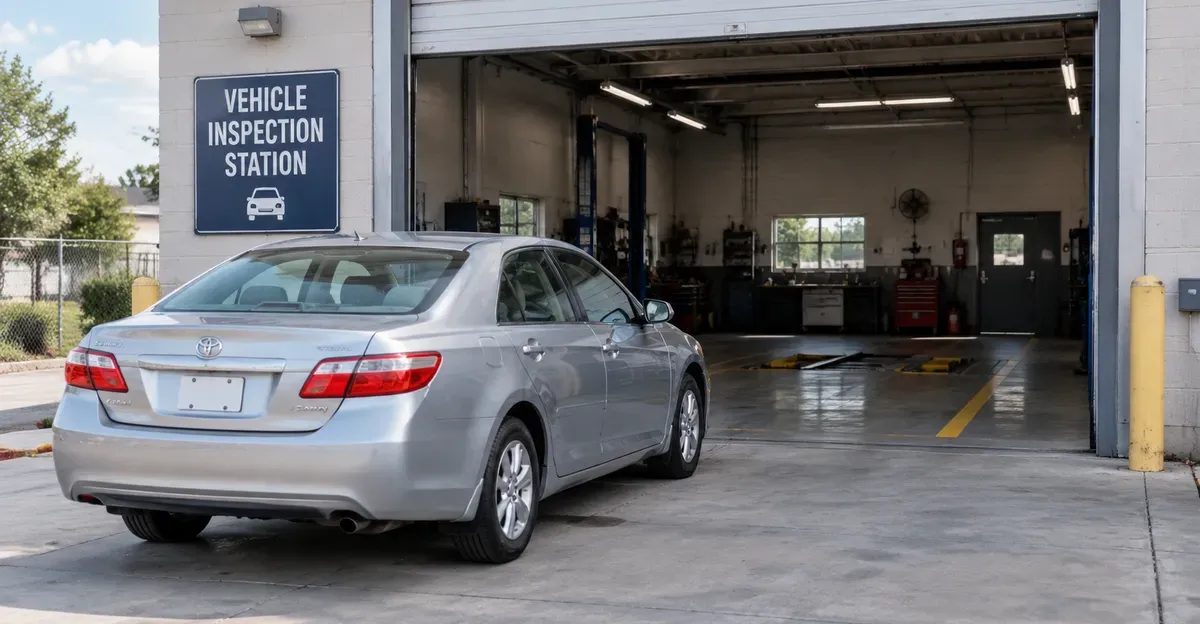
Which Clock Are You On?
Most answers online mix three different timers. Sort yours before you block the calendar.
| Clock | What it measures | Typical planning range |
|---|---|---|
| Bay / technician time | Hands-on safety, emissions, or both | ~20–60 minutes routine (Hamilton Tires); safety ~30–45, emissions ~15–30, combined ~45–90 (Daily Car Tips) |
| Total visit | Arrival through sticker or rejection slip | Can stay under an hour with an appointment, or stretch to hours in a walk-in rush (Hamilton Tires; PA Vehicle Inspections Directory) |
| Pass-fail calendar | First fail through repair and re-inspect | Days to weeks; NY and PA both describe limited recheck windows measured in days, not minutes |
The question people type into Google is usually the bay clock. The question that ruins a workday is the visit clock. The question that blows a registration deadline is the fail calendar. Start by naming which one you need.
State programs are not nationwide. Some states require annual safety stickers. Some require emissions only in certain counties. Some have changed safety rules recently—Daily Car Tips notes Texas ended most non-commercial annual safety inspections after House Bill 3297 while keeping emissions in listed counties. Do not treat a Maryland, California, or Texas number as your answer if your plate is from New York or Pennsylvania.
This guide is about mandatory state safety and emissions inspections tied to registration. A dealer or independent pre-purchase inspection is a different product—it digs for purchase risk, not only the state’s minimum sticker list. If you are buying, budget a separate morning and pair it with a real used-car mileage and condition check. If you are renewing a plate, you are on the shorter state clock—unless the car fails.
How Long Does It Take to Inspect a Car by Type
How long does it take to inspect a car once the bay is free is mostly a function of inspection type. Hamilton Tires’ type table is a clean planning baseline for U.S. shops that run these tests:
| Inspection type | Typical time (Hamilton Tires) | What the clock covers |
|---|---|---|
| Emissions test | 15–30 minutes | Emissions and related diagnostic checks |
| Safety inspection | 30–60 minutes | Key safety and roadworthiness items |
| Combined / full | 45–90 minutes | Safety and emissions together |
Daily Car Tips’ nationwide synthesis lands in the same neighborhood: safety-only near 30–45 minutes of technician time, emissions-only near 15–30, combined near 45–90.
Those ranges assume a car that is ready to pass. They shrink when every light works, tread is legal, and the OBD-II readiness monitors are complete. They stretch when a wheel must come off for brake measurement, when a short brake road test is required, when an older car needs a tailpipe or dynamometer cycle, or when the technician pauses to explain a fail list.
What eats bay minutes on a safety check
Daily Car Tips breaks a typical safety pass into interior equipment, lighting, glass and wipers, then brakes, steering, and suspension—the heaviest block. New York’s DMV program page makes the brake step concrete: a certified inspector must remove at least one front wheel to inspect the brakes, check pedal reserve and fade, and test equalization for a straight stop without significant pull. Tire tread must measure at least 2/32 inch in two adjacent major grooves showing the most wear. Windshield cracks have a hard rule: no crack 11 inches or longer if any part sits in the area cleared by the wipers.
Pennsylvania’s program, as summarized by PA Vehicle Inspections Directory from PennDOT’s Publication 45 framework, is famously broad—stations describe more than 200 checkpoints across brakes, tires, lights, steering, suspension, exhaust, glass, and more. A road-test style stop check can add minutes even when nothing fails. That depth is why PA planning ranges sit toward the longer end of the national table when emissions are also due.
What eats bay minutes on an emissions check
For 1996-and-newer gasoline cars, the New York State DMV describes an OBD-II emissions inspection that reads the malfunction indicator lamp and the onboard diagnostic results. Daily Car Tips notes that the plug-in data read itself can finish in a few minutes, but readiness status is the trap. Clear codes or swap a battery right before the visit and the monitors may still show “not ready.” The car fails even though no warning light is glowing. NY Auto Inspection makes the same point: disconnecting the battery to “reset” the car is an outdated myth that now produces a fail.
Older vehicles without a ready OBD path may need a physical exhaust measurement. Daily Car Tips puts dynamometer-style legacy tests nearer 20–30 minutes with setup. Gas-cap pressure checks, where required, are short but still a fail point if the cap does not seal.
Combined tickets
When your state or county requires both safety and emissions in one visit—as New York does annually for most cars and light trucks on the DMV program page—use the combined row, not the emissions-only row. Pennsylvania requires annual safety statewide; emissions apply in 25 of 67 counties per PA Vehicle Inspections Directory. Living in a non-emissions PA county shortens the bay clock. Living in Philadelphia, Allegheny, or another listed county moves you into the 45–60 minute combined band for a clean pass.
What to Decide Before You Leave the Driveway
The unanswered questions after the usual “bring your registration and arrive early” advice are decision questions. Answer them at home. They decide whether the published 30-minute bay time is real for you.
1. Is this visit safety, emissions, or both?
Check your sticker, renewal notice, and county emissions map. Hamilton Tires notes that Maryland even separates safety and emissions into different programs—proof that one Google answer does not travel well. New York’s DMV folds emissions into the annual safety visit for most cars. Pennsylvania splits by county. Wrong assumption wastes a trip.
2. Is the car already a known fail?
NY Auto Inspection’s blunt rule: if the check engine light is on, turn around and diagnose first. The OBD scanner will fail you. The same logic applies to an obviously bald tire, a dark headlamp, or a windshield crack already past the 11-inch New York rule. Paying the inspection fee to document a defect you can see from the driveway is buying a rejection slip.
3. Do you have the documents that station will actually ask for?
NY Auto Inspection says the real list for a New York inspection is registration, driver’s license, the car, and a way to pay—not the title, not a washed exterior, not a stack of service invoices. PA Vehicle Inspections Directory says Pennsylvania stations verify a current registration before they will inspect, and most ask for proof of insurance at intake. If registration is expired, many PA shops will not start. Renew first if that is your blocker. Ownership paperwork questions belong with registration and title guides, not with the bay clock.
4. Can you afford a fail on the calendar?
If the sticker dies Friday and you walk in Thursday afternoon, you have almost no repair buffer. Daily Car Tips and PA Vehicle Inspections Directory both treat end-of-month and peak-season walks as the high-risk plan. New York stickers expire on the last day of the month punched on the sticker, per the DMV’s about-inspections page. Pennsylvania’s directory makes the same last-day-of-month point and says there is no grace period once the month ends.
5. Are you confusing this with buying a car?
A state sticker visit is not the multi-hour dealership purchase day. Do not schedule both as one “car errand” unless you have real slack. Registration paperwork in another state—see for example Missouri’s registration document list—can add a second stop even after the sticker is fresh.
Appointment vs Walk-In: When the Wait Wins
Hamilton Tires’ core warning is that the inspection may not be the slow part. Check-in, paperwork, and the service queue add minutes before a wrench moves. A booked appointment often keeps a routine visit under an hour. A walk-in during a rush does not.
Daily Car Tips’ queue table is the practical map most drivers need:
| Visit timing | Estimated wait pattern (Daily Car Tips) | Why it matters |
|---|---|---|
| Midweek, middle of month | Often the lightest volume | Best chance the bay clock equals the visit clock |
| Opening time | Short line if you are early | Reliable, but arrive before the lot fills |
| First week of month | Carryover from late renewals | Longer than mid-month |
| Final week of month | Peak scramble before expiration | Hours of wait are common at busy shops |
| Saturday morning | Weekend errand surge | Bad for a lunch-break plan |
PA Vehicle Inspections Directory’s Pennsylvania-specific guidance matches that shape: Tuesday–Thursday mornings or early afternoons are fastest; Monday mornings, Friday afternoons, last days of the month, and Saturdays are slowest. Their seasonal note is sharper than the national average—March–April peak can add 50–100% to wait, while midsummer and late fall are quieter. They also recommend scheduling one to three months before expiration when the state allows early renewal without losing the next cycle.
New York’s legal overlay is different from a courtesy appointment desk. The New York State DMV program page says that when a customer requests an inspection, the licensed station must inspect any vehicle it is licensed for or must provide, in writing, an appointment date within eight working days. A deposit, if required, cannot exceed the inspection fee. NY Auto Inspection restates that right for walk-in customers who are told to “come back sometime.” If a shop will not take you today and will not put an appointment on paper inside that window, they are out of compliance—not merely “busy.”
Decision rule:
- Choose an appointment when your schedule is rigid, when the sticker is near the last week of the month, or when the shop also runs repair bays that can bury walk-ins behind bigger jobs.
- Choose a walk-in only when you have half a day of slack, you called ahead for the current wait, and you are mid-month midweek.
- Choose an inspection-focused station when you want throughput. Daily Car Tips notes that dedicated inspection lanes often move faster than general repair shops juggling profitable engine work.
Drop-off is a third clock. PA Vehicle Inspections Directory says many stations let you leave the car and return later. That trades lobby time for a second trip across town. Use it when the quoted wait is multi-hour and you have another ride.
State Clocks: New York and Pennsylvania
National averages hide the two long-tail questions drivers actually type. Answer them with local program rules, not a single U.S. number.
How long does a car inspection take in NY
How long does a car inspection take in ny is best answered in two layers: shop practice and DMV rules.
NY Auto Inspection’s station guidance: if the car passes, expect about 20 to 30 minutes. That window covers pulling a front wheel for brakes, running the OBD-II scanner, walking lights and glass, and entering results into the DMV system. Daily Car Tips’ New York summary is more conservative—plan on a full hour of technician time when safety and emissions run together with wheel removal and detailed windshield measurement. Use 30 minutes as the clean-pass bay estimate and an hour as the planning buffer when the shop is busy or the car is older.
The New York State DMV sets the cadence, not the stopwatch. Vehicles registered in New York must be inspected at least every 12 months, before the current sticker expires, and again when the vehicle is registered in a different name. Most passenger cars and light trucks get safety and emissions in the same visit. Newer cars use OBD-II; older or other categories may see a low-enhanced emissions check or diesel opacity rules that the DMV spells out by vehicle class. Exemptions exist for groups such as very new, very old, electric, motorcycle, and certain other categories listed on the DMV’s about-inspections page—verify your VIN class before you assume emissions is skipped.
Ownership transfers change the clock. A New York dealer must have the vehicle inspected within 30 days of sale and before delivery, per the DMV. A private-party buyer gets a short inspection extension from the registration date; an inspection issued to the previous registrant is not valid for the new owner. Out-of-state stickers can remain valid until they expire or for one year after New York registration, whichever comes first, when the prior jurisdiction issued a sticker. Those rules decide when you must appear, which is often more urgent than how many minutes the bay needs.
Fines for an expired or missing sticker are real. The DMV’s about-inspections page lists dollar ranges that rise after 60 days past expiration, plus a mandatory surcharge, and notes that a parked car can still draw a parking ticket. Do not treat an expired sticker as a paperwork nuisance while you wait for a Saturday opening.
How long does a car inspection take in PA
How long does a car inspection take in pa lands a little longer than New York’s clean-pass shop estimate in most published PA guides.
PA Vehicle Inspections Directory’s table:
| Scenario | Typical time |
|---|---|
| Safety only, no issues | 30–45 minutes |
| Safety + emissions, no issues | 45–60 minutes |
| Re-inspection | 15–30 minutes |
| Early morning appointment (total visit) | Often 30–60 minutes |
| Walk-in busy hours (total visit) | 1–3 hours |
| Peak season walk-in (March–April) | 2–4 hours |
Pennsylvania’s depth explains the longer bay clock. The directory describes annual safety inspections under the Vehicle Code with inspectors checking a long checklist drawn from PennDOT Publication 45. Emissions are not statewide: only 25 counties require them, concentrated around Philadelphia, Pittsburgh, the Lehigh Valley, and other listed metro counties. Confirm your county before you quote a combined time to your boss.
Timing flexibility is a PA-specific decision. PA Vehicle Inspections Directory says you can inspect up to three months early without losing the next cycle—the new sticker still aligns to the following year’s expiration month. That early window is how you protect against a fail. Newly purchased or newly entered vehicles face a short legal clock (the directory cites a 10-day style window after sale, resale, or entry under the Vehicle Code citations they list). Out-of-state stickers are not a PA pass. If you just moved or just bought, do not assume last month’s Maryland or Ohio sticker buys you a leisurely calendar.
Cost is not a duration topic, but sticker price fights can delay the counter. Pennsylvania does not set a statewide maximum inspection fee the way some states do; shops set rates. Ask when you book so payment arguments do not stretch the visit.
If You Fail: The Second-Trip Clock
A fail converts a 30-minute errand into a multi-day project. The decision tree after a rejection slip matters more than the original bay estimate.
You still pay for the inspection. NY Auto Inspection is explicit: the fee covers the work already done, pass or fail. Repairs are separate and need your permission before they start. The New York State DMV program page says the station must have your permission before beginning any repairs, and you are not required to repair or re-inspect at the same shop.
Read the rejection list as a punch list, not a sales pitch. NY Auto Inspection says a proper slip names the failed item with enough detail to fix it—“rear brake pads below minimum,” not a vague “brakes.” Ask for specifics if the paper is fuzzy. PA Vehicle Inspections Directory likewise says you should leave with a detailed rejection report.
Choose where repairs happen. In New York, the DMV and NY Auto Inspection both say you may repair anywhere—including DIY—then re-inspect at any licensed station. In Pennsylvania, the directory says you may repair at the inspecting shop or elsewhere; returning to the same station within 30 days often means a partial recheck of failed items, while a different station may run a full inspection again. Confirm the local recheck fee and window when you pick up the slip.
Watch readiness after emissions repairs. Clearing codes or replacing a battery after an OBD fail restarts monitor completion. Daily Car Tips’ 100–200 mile drive note is the practical buffer many drivers need before a retest. Booking the re-inspect for the next morning after a battery disconnect is a common way to fail twice.
Do not drive on a dead sticker while you wait for parts. New York and Pennsylvania both treat expired stickers as enforcement targets. If the rejection happens near month-end, prioritize legal light and tire fixes that restore a pass quickly, or arrange alternate transport while larger parts are ordered.
Separate safety urgency from sticker urgency. A failed brake or tire item is a drive-ability problem, not only a DMV problem. Hamilton Tires’ guidance after a fail is to repair required items before certification can issue. If the car is unsafe, the next decision is whether it should be on the road at all while you shop for parts.
Prep That Actually Shortens the Day
Prep does not invent a 10-minute state inspection. It keeps you on the published bay clock and off the fail calendar.
Hamilton Tires’ delay-avoidance list maps cleanly onto what inspectors actually fail:
- Book ahead when the shop offers slots.
- Bring the documents that station requires.
- Resolve warning lights—especially the check engine light—before you arrive.
- Check tire tread and sidewall damage.
- Test headlights, brake lights, and signals.
- Replace torn wiper blades.
- Confirm the station is licensed for your vehicle class.
- Call for the current wait before you leave home.
PA Vehicle Inspections Directory’s home walk-around adds the penny tread check, a windshield sight-line scan, a ground check for drips, and a horn test. Their claim that a large share of fails are preventable with basic prep matches NY Auto Inspection’s advice to fix obvious defects before spending the fee.
New York-specific prep from the DMV checklist: seat belts by model-year rules, brake components after a wheel is pulled, steering and suspension play, tire minimums, lighting set, glass and tint rules, wipers, horn, mirrors, and fuel leaks that drip or pool. Tire pressure advisories and air-bag lamp advisories may be noted without automatically failing—read the result sheet so you know which items blocked the sticker.
Pennsylvania-specific prep from the directory: tires and lights are among the most common fails; brakes, wipers, and exhaust leaks follow. Bring current registration and proof of insurance. Ask whether your county needs emissions so you do not arrive at a safety-only shop when you need both.
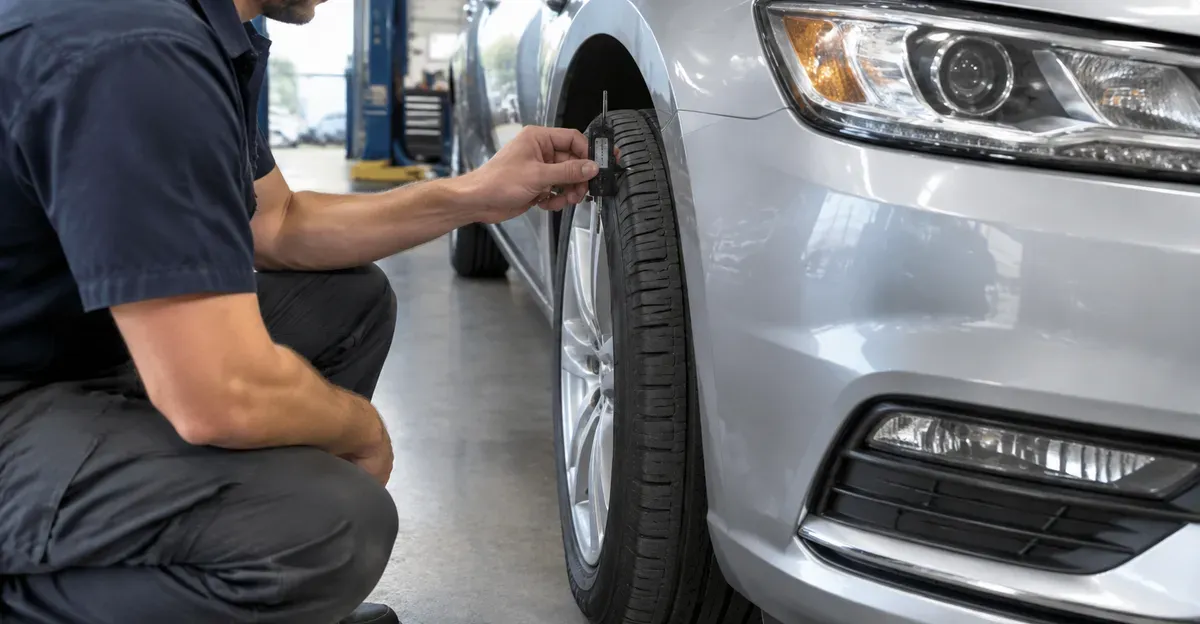
Match your situation to a clock before you leave home. The ranges below are planning aids, not a promise for your VIN.
| Your situation | Clock to trust | First move |
|---|---|---|
| Sticker due in 6+ weeks, car healthy | Bay clock (~30–60 min) | Midweek appointment; light DIY walk-around |
| Sticker due this week | Visit + fail calendar | Earliest appointment; fix CEL, lights, tires first |
| NY plate, annual visit | Combined safety + emissions | Budget 30–60 min bay; know the 8-working-day appointment right |
| PA plate, non-emissions county | Safety-only bay | Budget 30–45 min; confirm county before you go |
| PA plate, emissions county | Combined bay | Budget 45–60 min; OBD readiness matters |
| Check engine light on | Cancel / diagnose clock | Repair and drive cycle before paying for inspection |
| Just failed | Repair + reinspect window | Get a detailed slip; decide same-shop partial vs new station |
| Just bought / just moved | Legal short clock | Read state transfer rules; do not rely on the seller’s old sticker |
| Trying to combine with buying day | Two separate errands | Finish purchase paperwork on its own day when you can |
FAQ
How long does it take to get a car inspected?
How long does it take to get a car inspected end-to-end is the visit clock, not only the bay clock. Hamilton Tires puts most routine checks in about 20 to 60 minutes of inspection work and notes that an appointment often keeps the whole stop under an hour when the car is ready. Walk-ins, end-of-month lines, and repairs after a fail are what turn that answer into half a day. If you need a single planning number for a healthy car with a booked slot, start with one hour and leave earlier if your sticker is near expiration.
Does every state take the same time?
No. Daily Car Tips’ state table shows California-style smog-only visits near 15–30 minutes, New York combined visits nearer 45–60 minutes of technician time, and Pennsylvania combined visits often 45–90 minutes at efficient shops. Texas’s post-2025 pattern for many non-commercial cars is emissions-only in listed counties. Always verify your own state program.
Can I wait in the lobby the whole time?
Usually yes. PA Vehicle Inspections Directory says most stations have waiting areas; some prefer drop-off when the queue is long. NY Auto Inspection says some shops let you watch from a window and others keep customers out of the bay for insurance reasons—ask at check-in.
Will a dirty car fail or take longer?
Cosmetics are not the test. NY Auto Inspection says a dirty car passes the same as a clean one. Time is driven by mechanical and emissions items, paperwork, and the line—not by whether you washed the paint.
Is a state inspection the same as a clean bill of health?
No. NY Auto Inspection’s myth section is clear: the sticker confirms the state’s required items, not every future failure mode. A car can pass and still need alternator, mount, or leak work that was never on the checklist. Use the sticker for registration compliance. Use a deeper shop inspection when you are buying or chasing a symptom.