
By Automotive Research TeamUpdated 2026-09-26
How long does it take to wrap a car
How long does it take to wrap a car depends on which clock you start. Once the vehicle is in a professional U.S. bay, ranking shop guides converge on roughly 2 to 5 business days for a full color-change wrap on an ordinary daily driver, with partial accent work often finishing in 1 to 2 days. Interstate Image widens the full journey—first conversation, design, material lead time, and pickup—to about 1 to 3 weeks. Confusing those clocks is why people book a “three-day wrap,” then feel blindsided when the install slot is still a week out.
This page is general education for ordinary U.S. drivers comparing vinyl wrap downtime to paint or a weekend DIY kit. It is not a shop quote for your VIN, ZIP code, or film brand. The shared floor from Vinyl Wrap Pro, Gilroy Blackout, Interstate Image, and ClearPro is the starting point: deep prep, panel-by-panel install, reassembly, and a cure window before aggressive washing. The original sections below answer the decisions those pages raise and leave hanging—what to do when two shops quote different day counts, whether door jambs are worth the extra day, how to plan a rental around cure rules, and what happens when paint inspection kills the schedule midstream.
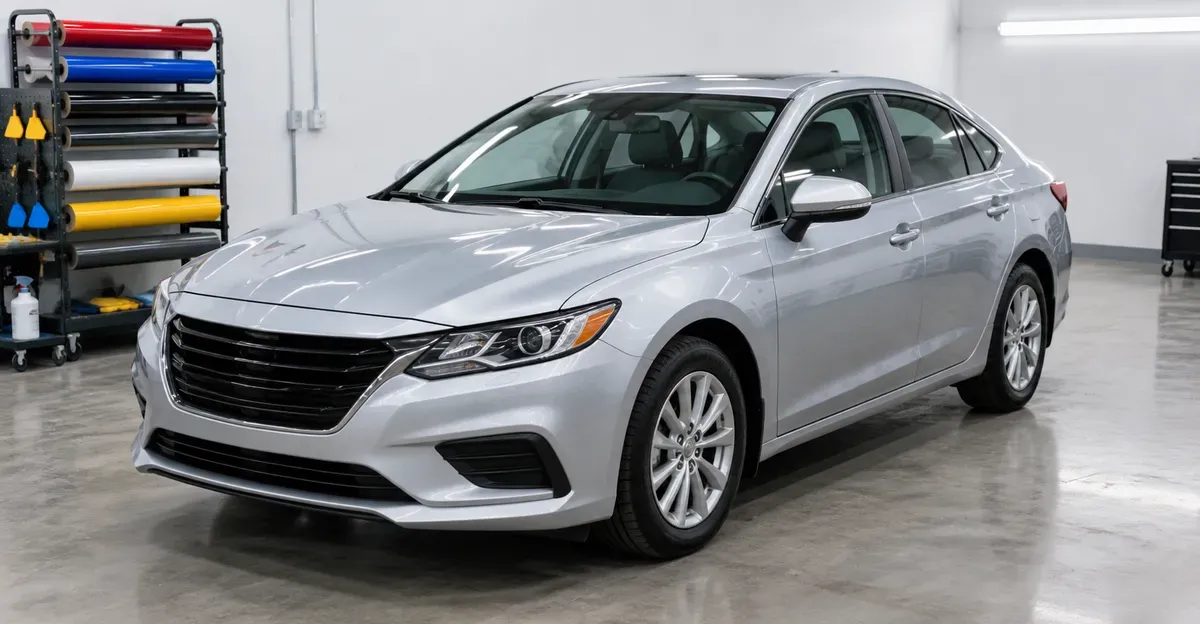
What the Shared Numbers Actually Measure
Shop blogs answer “how long” with in-bay labor days more often than with calendar weeks. Treat the table as a planning baseline, not a promise.
| Wrap scope | Typical in-shop time (fetched sources) | What that clock usually includes |
|---|---|---|
| Single panel (hood, roof, trunk) | 2–4 hours (Gilroy Blackout) | Spot prep and one panel |
| Partial / chrome delete / accents | 1–2 business days (Gilroy Blackout; Interstate Image) | Limited coverage, still cleaned and inspected |
| Full color-change sedan | 2–5 days across Vinyl Wrap Pro; 3–5 days at Gilroy Blackout; 3–4 days at ClearPro for compact/sedan | Prep, disassembly, install, reassembly |
| Full SUV / truck | Often +1–2 days vs sedan (Gilroy Blackout); ClearPro 4–7 days by size class | More area, roof access, complex bumpers |
| Complex / exotic / specialty finish | 5–7+ days (Gilroy Blackout; ClearPro) | Curves, chrome, color-shift, or high-stakes trim |
| Full project first call → pickup | Often 1–3 weeks (Interstate Image) | Design, materials, schedule queue, then bay time |
Vinyl Wrap Pro’s USA vehicle list is another shared floor: compact about 2–3 days, sedan about 3, SUV about 3–4, pickup about 4–5, cargo van about 5–7. ClearPro’s table lands in a similar band but starts sedans closer to 3–4 days and large trucks at 5–7. When a quote sits outside those bands, ask which steps were removed—not only whether the shop is “faster.”
| What you ask | Typical answer from fetched pages | What it does not settle |
|---|---|---|
| Days the car sits in the bay | About 1–5 business days for most quality wrap types (Interstate Image) | Rental need, cure wash rules, jamb coverage |
| Days for a full color change | Often 2–5 (Vinyl Wrap Pro) or 3–5 for a sedan (Gilroy Blackout) | Old wrap removal or paint correction |
| Calendar from first call | Often 1–3 weeks (Interstate Image) | Your shop’s backlog this month |
| Wash after pickup | 48–72 hours before washing; longer before pressure wash (Gilroy Blackout; Vinyl Wrap Pro) | Local weather if you lack covered parking |
Two Clocks: Bay Days Versus Project Weeks
Interstate Image is explicit that in-shop time and start-to-finish project time are different. Design mockups and revisions can take a few days to about a week. Specialty colors may need a few days of material lead time. Then the install slot opens. Only after drop-off does the familiar “three to five days” bay clock start.
That matters if you are coordinating a trip, a sale photo shoot, or a leased vehicle return. A shop that says “we wrap in three days” may still need you to wait for an open bay. Ask for three dates in writing: design approval deadline, material arrival estimate, and drop-off day. If any of those slip, your pickup day slips with them.
Commercial and fleet work stretches the project clock further even when per-vehicle bay time looks familiar. Interstate Image puts a single commercial vehicle around 2 to 3 business days in the shop and fleet programs at roughly 2 to 4 vehicles per week depending on size. Vinyl Wrap Pro describes staggered fleet rotations of about 1 to 2 vehicles per day depending on team size. Personal owners rarely need that vocabulary; they do need the same honesty about queue time before the car ever leaves the driveway.
How a Full Wrap Day Actually Breaks Down
Gilroy Blackout’s step list is the clearest shared process floor: Day 1 prep and disassembly, middle days for vinyl application, last day for reassembly and inspection. ClearPro adds that vinyl laying is often less than half the total process once decontamination and finishing are counted.
Prep and disassembly
Vinyl Wrap Pro budgets roughly half a day to a full day for prep: deep wash, clay, paint inspection, trim removal, degreasing, and alcohol wipes. Gilroy Blackout puts cleaning at about 2–3 hours and disassembly at about 1–3 hours—handles, mirror caps, badges, and interfering trim. ClearPro stresses that film should wrap into panel edges for a paint-like finish, which is why lights and bumpers may come off on meticulous jobs.
Skipping removal is how shops compress the day count. Wrapping around badges leaves raised edges that lift early. If Shop A quotes two days and Shop B quotes five, ask whether handles and emblems come off. That single answer often explains the gap better than “experience.”
Application
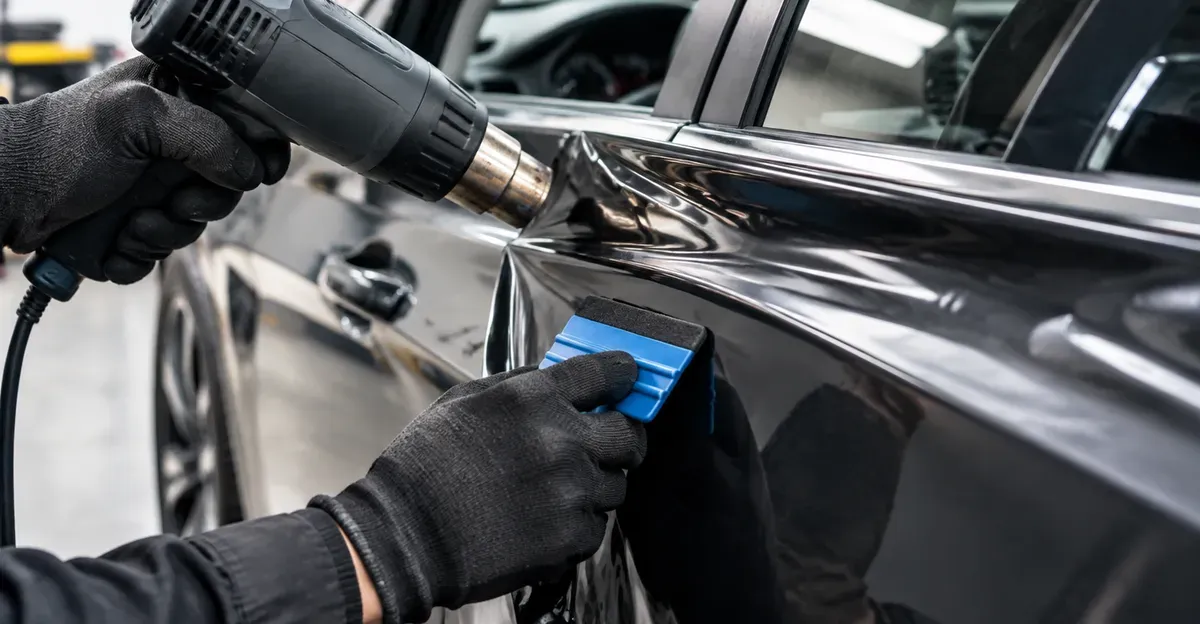
Gilroy Blackout’s panel pace is useful for owners who wonder why a “sticker job” takes days: flat hood or roof about 1–2 hours each; complex bumpers and flared fenders about 2–4 hours each; mirrors, handles, and recesses about 30–60 minutes each. A sedan may run about 15–20 panels depending on how the installer sections the job. ClearPro’s labor sketch for a fast team still lands near 8–10 hours of application alone—before wash, disassembly, reassembly, and post-heat.
Reassembly, post-heat, and handoff
Gilroy Blackout puts reassembly at about 2–3 hours plus a panel-by-panel check for bubbles, wrinkles, lifting edges, and color consistency. ClearPro describes post-heating cast vinyl (often near about 194°F / 90°C in their write-up) so stretched film does not try to return to its old shape. That heat cycle is part of why “drive it out the same afternoon the last panel went on” is risky if edges never get a quiet overnight settle. ClearPro prefers leaving the car in a controlled bay another 12–24 hours when possible for a next-day edge check.
What Adds Days Before Vinyl Touches Paint
Vehicle size and geometry
Bigger is usually slower, but shape can beat size. Gilroy Blackout’s adders versus a sedan baseline run roughly +0.5–1 day for a crossover, +1–2 days for a full-size SUV or truck, and +1–3 days for exotics with deep recesses. ClearPro notes a boxy Jeep can be easier than a smaller car with deep intakes and compound curves because stretch limits and whitening risk slow careful installers. Roof access on tall SUVs also costs time even when the film brand is ordinary.
Bumpers and flared arches are the usual time sinks. They sit at the high end of Gilroy Blackout’s panel hours and show up in ClearPro’s large-SUV notes as complex bumper geometries. If your truck has aftermarket flares, tell the shop before they quote bay days.
Finish and design complexity
Vinyl Wrap Pro’s finish table is the shared floor: gloss is fastest; matte and satin need cleaner handling; chrome is thick, reflective, and slow on curves; textured films need pattern alignment. Chrome alone can add about a full day in their guide. Gilroy Blackout adds that color-shift film must keep direction consistent across panels. Printed commercial graphics need panel-to-panel alignment; Interstate Image puts specialty and complex printed work toward 3–5 business days in the shop, sometimes more.
Door jambs, engine-bay edges, and trunk gutters are optional coverage that rarely appear in the headline day count. Ask whether the quote is “visible painted surfaces only” or includes jambs. Full jamb coverage can add hours to a day and changes how complete the color looks when a door opens in a parking lot.
Paint condition and old wrap removal
A wrap magnifies chips and clear-coat failure; it does not hide them. ClearPro and Interstate Image both treat failing clear coat as a stop-and-decide moment: correct first, wrap over risk, or walk away. Correction can add hours or days. If adhesive might pull weak clear coat during repositioning, the shop may refuse the job entirely—better than a surprise mid-install cancel after you already arranged a rental.
Old vinyl is a hidden clock. Vinyl Wrap Pro puts removal at about 2–8 extra hours depending on age and adhesive. ClearPro warns that baked-on or low-quality film can crack and leave residue that becomes a chemical, manual day or two. Hot-climate states where film has cooked for years are the worst cases. Price and schedule a removal day separately if you already wear a wrap.
Shop A Quotes Three Days, Shop B Quotes Five
Gilroy Blackout’s FAQ names the usual reasons: different disassembly depth, different quality bars, different staffing, different experience with your body style. ClearPro’s same-day critique adds another: some quotes omit passive curing and overnight edge checks. Vinyl Wrap Pro notes seasonal demand and climate-controlled bay availability as soft variables even when the film is simple.
Use a short written checklist before you deposit:
- Exact coverage map (panels, jambs, mirrors, spoiler, bed sides).
- Parts that will be removed and who owns broken clip risk.
- Film brand and finish SKU on the paperwork.
- Whether old wrap removal or paint correction is included or extra days.
- Drop-off morning and promised pickup window (business days, not “sometime next week”).
- Cure rules: first wash, first pressure wash, first automated wash.
- What happens if a defect is found after you drive away (shop hours for edge lifts).
A lower day count that wraps around badges and skips post-heat is not a bargain if you return in a month for lifting edges. Compare what is in the days, not only how many days.
Partial Wraps, Accents, and “Just the Roof”
Not every project needs the full sedan clock. Gilroy Blackout’s single-panel window of 2–4 hours and partial packages of 1–2 days are the shared floor for hood-and-roof packages, chrome deletes, and accent kits. Interstate Image’s partial band matches that 1–2 business day shop range. Vinyl Wrap Pro’s partial FAQ puts many hood, roof, trunk, or stripe jobs around 2–4 hours, with door panels or two-tones stretching toward half a day.
Partial work still needs clean paint and edge care. ClearPro notes that curing time for edges remains relevant even when surface area is small. Do not schedule a pressure-wash detail the evening you pick up a fresh matte roof just because “it was only one panel.”
If you are staging appearance changes around other body work—a scuffed bumper, a replaced hood, or wind noise from a roof rack—tell the wrap shop the repair sequence. Fresh paint often needs its own cure before vinyl; wrapping over soft or contaminated clear coat is a failure mode ranking pages keep repeating without always spelling out the calendar handoff between body shop and wrap bay.
After Pickup: The Cure Clock You Still Own
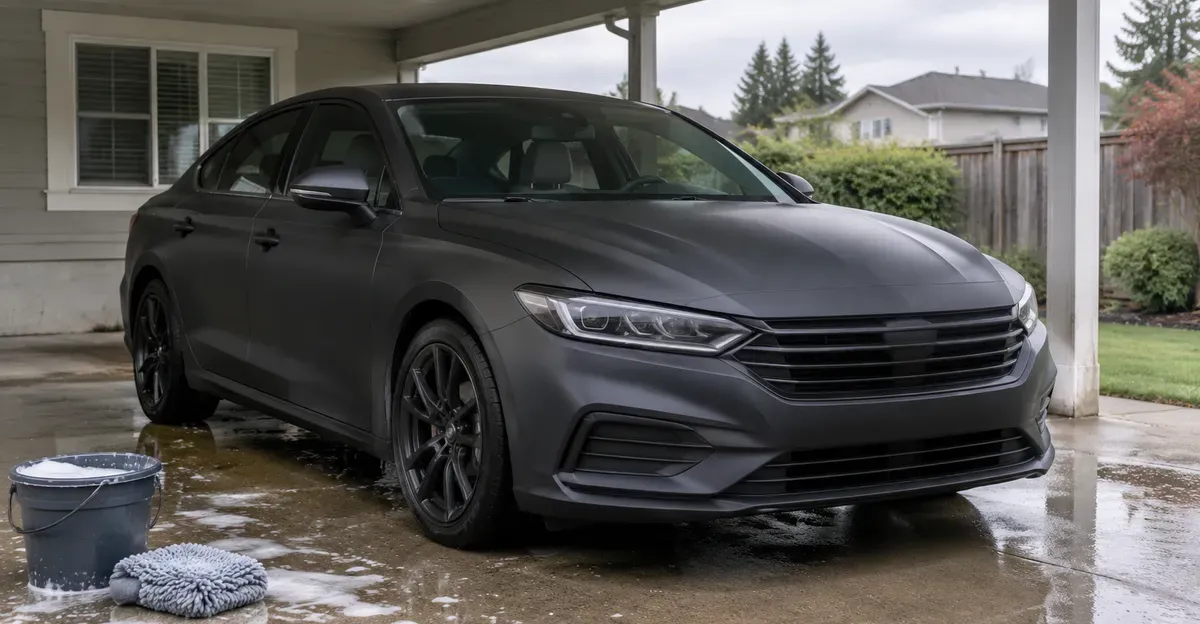
Install day is not ownership day zero for washing. Gilroy Blackout’s cure ladder is the clearest consumer-facing floor: first 24 hours avoid washing and preferably park covered; 48–72 hours for fuller bond; gentle hand wash after about a week; avoid automated washes for about two weeks; wait on wax, sealant, or ceramic over the wrap until the film has settled (their guide points past about two weeks for ceramic). Vinyl Wrap Pro’s 72-hour wash minimum and one-week pressure-wash pause sit in the same family. ClearPro’s seven-day high-pressure caution is the strictest of the fetched set—follow your installer’s sheet when it is stricter than a blog.
Light rain after pickup is usually fine in Gilroy Blackout’s FAQ; the vinyl is waterproof. Highway speeds and wind load on fresh edges are the bigger worry if the shop released the car the same afternoon post-heat finished. If you must commute, ask whether overnight bay time is available before you take the keys. That question is a content gap most “2–5 days” articles skip even after they mention curing.
Plan the rental or rideshare against bay days plus cure rules, not bay days alone. If you cannot hand-wash at home, you may need covered parking and a longer gap before the first tunnel wash—not merely three nights without the car.
Wrap Versus Paint Versus DIY Time
Vinyl Wrap Pro’s wrap-versus-paint comparison is the shared commercial floor: wraps often 2–5 days versus paint jobs commonly 7–30+ days including cure. That does not make wrap “better” for every goal. Permanent color on repaired metal, insurance-driven refinish standards, and shops that refuse weak clear coat still point to paint. It does mean downtime is a legitimate reason to prefer vinyl when the paint under the film is healthy.
DIY timelines diverge sharply across sources because skill levels diverge. Vinyl Wrap Pro cites about 10–20+ hours spread over several days for beginners. ClearPro’s DIY estimate runs about 40–60 active hours—several weekends for someone with a full-time job—with fatigue raising redo risk on large panels. Professional shops compress the same work into a few continuous days with two technicians, lifts, and climate control. If your goal is learning, budget weekends. If your goal is predictable downtime, budget a shop.
Rush one-day full wraps sit at the edge of that triangle. ClearPro’s hour math (roughly 3 wash + 2 disassembly + 8–10 install + 2 reassembly + 2 finish) already exceeds one shift. Vinyl Wrap Pro allows that compact, simple finishes sometimes finish in a day as rush work. Treat any same-day full-color promise as a process interview, not a coupon.
How to Plan Your Week Around Drop-Off
Interstate Image’s planning angle—work, family, fleet operations—is the right frame for personal owners too. A practical U.S. consumer checklist:
- Get the coverage map and day count in writing before you cancel other appointments.
- Photograph existing chips, curb rash, and interior condition at drop-off.
- Remove toll tags, parking permits, and fragile cargo from the cabin and trunk.
- Confirm whether the shop needs the car overnight every night of the bay window.
- Arrange a rental sized for your commute; do not assume a compact if you haul kids or tools.
- Ask where to park after pickup if rain is forecast during the first 48 hours.
- Schedule the first allowed wash on a calendar reminder, not by memory.
If color change is dramatic, ask the shop whether they document the wrap for your records. Registration and insurance rules vary by state and by insurer; this site does not treat wrap color as automatic DMV paperwork, and you should verify with your insurer and state agency when the exterior no longer matches the title description. That verification is a phone call, not a reason to invent a nationwide rule.
Related appearance and body-care decisions on this site—film on glass, rust on older panels, or how long other ownership errands take—live under guides such as how to remove a tint from a car window, how to prevent rust on a classic car, and how long does it take to buy a car. A wrap timeline is its own clock; do not assume body-shop or dealership averages apply.
Questions Worth Asking Before You Deposit
Use these as a final sorting pass after the shared timelines sink in:
- Is the quoted range business days in the bay or calendar days until I can book?
- Are door jambs, gas door, and spoiler underside included?
- Will you refuse the job if clear coat is failing, or will you wrap over it with a signed waiver?
- How many technicians will be on the car, and is the bay climate-controlled?
- What is the written cure sheet for wash, pressure wash, and ceramic coating?
- If an edge lifts in week one, is the fix included and how fast can you schedule it?
- Does the timeline assume my current wrap is already removed?
A shop that answers those without hedging is usually safer than a shop that only repeats “two to three days” from a homepage banner.
Bottom Line for Planning
How long does it take to wrap a car for most U.S. daily drivers? Plan on about 2 to 5 business days in the shop for a full wrap once the car is dropped off, 1 to 2 days for many partial packages, and about 1 to 3 weeks for the full project when design and scheduling count—numbers drawn from Vinyl Wrap Pro, Gilroy Blackout, Interstate Image, and ClearPro. Add time for old wrap removal, paint correction, chrome or printed graphics, and large trucks. Protect the cure window after pickup the same way you protected the bay days. The days you wait are cheaper than the weeks you spend chasing lifted edges from a rushed install.