
By Zeng FengMyCarWhy EditorialUpdated
Best Cabin Air Filter — Sort Activated Carbon vs HEPA by Smell, Dust, or Allergy (Then Match Your Car)
For most US cars, the best cabin air filter is the one that matches your complaint and your fitment, not the one with the loudest Amazon title. Sort activated carbon for smell and exhaust odor, HEPA-style media for dust and allergy, then buy a verified EPAuto, Puroma, or Bosch listing that Amazon’s fitment checker (or the part number on your old filter) says fits your year and model.
This guide compares those patterns with full Amazon product links (tag=screenissues-20). It is a buying map, not a lab test. Specs come from the manufacturer and Amazon listings linked here. Pair odor and vent cleanup with how to freshen a car interior. The under-hood engine filter is a different part — see how to change a car air filter. Weak or warm AC airflow may also need the car AC repair path, not only a new cabin filter.
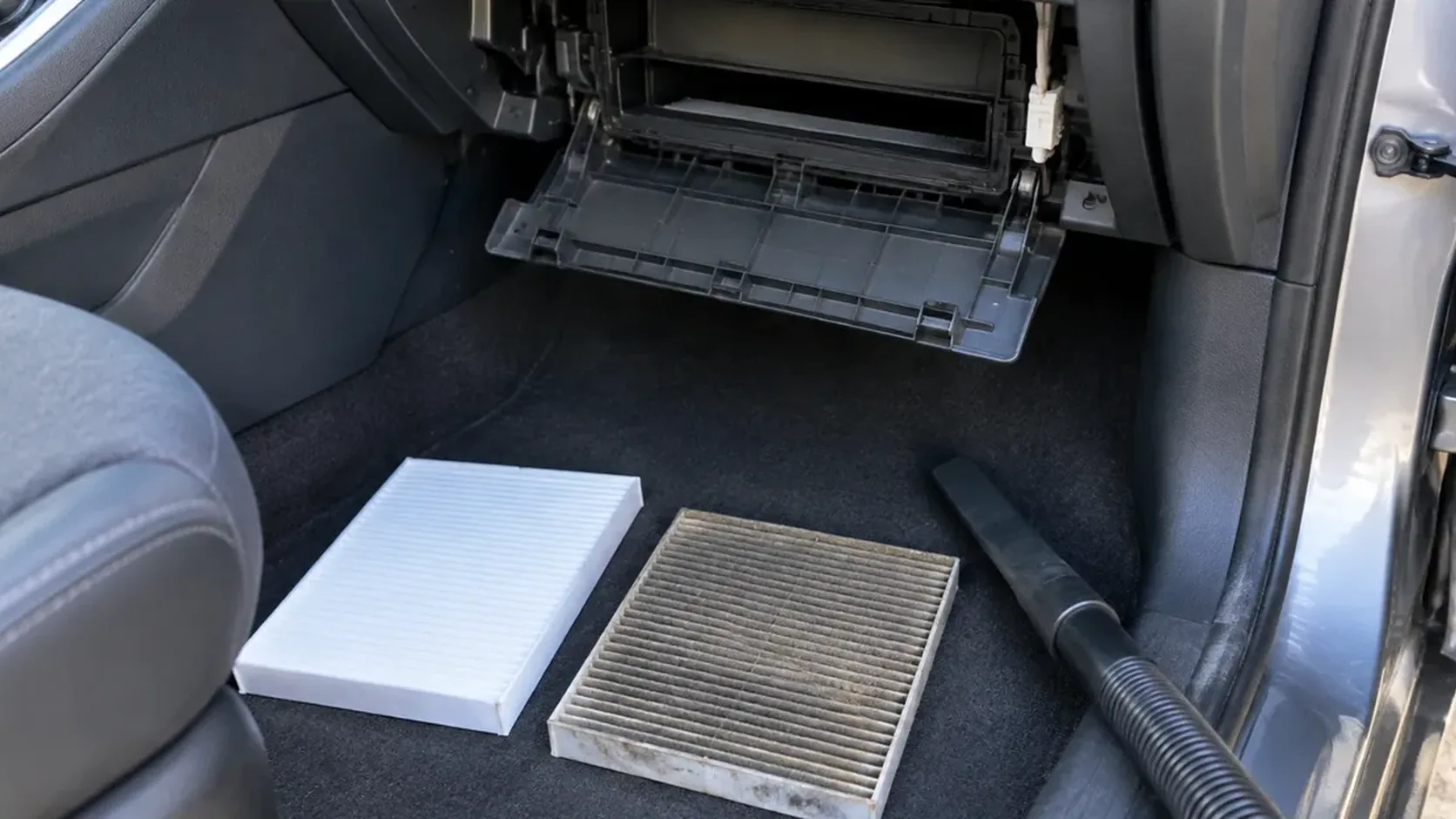
Cabin filter vs engine filter — buy the right box first
Search results for “car air filter” mix two parts that share a name and almost nothing else.
| Clue | Cabin air filter | Engine air filter |
|---|---|---|
| Location | Usually behind the glove box or under the windshield cowl | Under the hood in a black airbox on the intake tube |
| Job | Clean air into the vents for passengers | Keep grit out of combustion and sensors |
| Typical complaint | Musty vents, weak blower, dash dust, pollen, cabin odor | Soft power, worse economy, dirty element in the airbox |
| This page | Yes | No — use the engine air filter guide |
If your complaint is soft acceleration and a gray panel under the hood, stop shopping cabin filters. If the smell only shows up when the blower or AC starts, stay on this page and the freshen interior HVAC steps.
Activated carbon vs HEPA — sort by smell, dust, or allergy
Activated carbon (often with baking soda or multi-layer media) is the odor pick: exhaust smell, smoke residue, and “something died in the vents” after a filter that sat too long. Carbon adsorbs gases and odors that a plain particle filter struggles with.
HEPA-style / high-efficiency particle cabin filters prioritize trapping fine dust, pollen, and common allergens. Bosch’s HEPA cabin line markets multi-layer particle capture for a healthier cabin ride. Read the listing: some HEPA filters are light on odor chemistry; some carbon filters are not true HEPA.
| Your main problem | Prefer | Why |
|---|---|---|
| Cabin smells when the fan starts; exhaust or smoke odor | Activated carbon | Odor and gas capture is the job |
| Pollen, dust on the dash, allergy season | HEPA-style particle filter | Fine particle trapping is the job |
| Both smell and allergy | Carbon first if odor is strong; HEPA if dust/allergy dominates | You usually optimize one primary complaint |
| Weak airflow only, no smell | Confirm a clogged filter, then replace with correct fitment | Media type matters less than a plugged element |
Prices move. As an Amazon Associate, we may earn from qualifying purchases. Use the live listings.
Fitment check before you buy (non-negotiable)
Cabin filters are vehicle-specific. EPAuto’s popular CP134 / CF10134 pattern covers many Honda and Acura years; CP285 / CF10285 covers many Toyota, Lexus, Subaru, and related platforms. Puroma and Bosch publish their own compatible lists for the same cross-references. A filter that looks right in a photo can still be the wrong thickness.
Before checkout:
- Open Amazon’s fitment / “compatible with” checker for your year, make, model, and trim.
- Or read the part number printed on the old filter and match it (or a known cross like CF10134 / CF10285).
- Note the airflow arrow on the frame so install orientation is obvious.
- If the checker is ambiguous, use a labeled search for your car instead of guessing from a similar listing.
Wrong fitment is the fastest way to return a filter and leave dirty air bypassing the gasket.
Which cabin air filter should you buy?
These verified US Amazon listings cover the common activated-carbon value picks and Bosch HEPA upgrades for the same popular Honda/Acura and Toyota/Lexus fitment families. Confirm fitment on each product page for your car.
| Pattern | Type | Amazon | Best fit |
|---|---|---|---|
| EPAuto CP134 (CF10134) | Activated carbon | B014TZAUU6 | Honda / Acura platforms that call for CF10134 — odor and everyday dust |
| EPAuto CP285 (CF10285) | Activated carbon | B014TYRQUY | Toyota / Lexus / many related platforms that call for CF10285 |
| Puroma (CP285 / CF10285) | Activated carbon | B08BYL8967 | Budget carbon alternative when CF10285 is your cross-reference |
| Bosch 6029C | HEPA-style | B01JYSWJ0C | Honda / Acura family when allergy and fine dust are the priority |
| Bosch 6055C | HEPA-style | B01JYSX028 | Toyota / Lexus family HEPA upgrade — still verify your year |
EPAuto CP134 — Honda / Acura carbon workhorse
The EPAuto CP134 Premium Cabin Air Filter with activated carbon (cross CF10134) is the high-volume odor pick for many Accords, Civics, CR-Vs, Pilots, Odysseys, and matching Acuras in the listing’s year ranges. Choose it when your car’s old filter or parts lookup says CF10134 / CP134 and smell or everyday cabin dust is the complaint.
EPAuto CP285 — Toyota / Lexus carbon workhorse
The EPAuto CP285 Premium Cabin Air Filter with activated carbon (cross CF10285) covers a wide Toyota / Lexus / Subaru / related list on the product page. Choose it when Camry, RAV4, Corolla, Highlander, or similar lookups land on CF10285 and you want carbon for odor.
Puroma CF10285 — budget carbon alternative
The Puroma cabin filter for CP285 / CF10285 is a lower-cost activated-carbon option in the same Toyota-family cross. Prefer it when fitment is confirmed and you want carbon without the EPAuto badge. Skip it if Amazon’s checker does not clear your year and trim.
Bosch 6029C — Honda / Acura HEPA upgrade
The Bosch 6029C HEPA cabin air filter targets fine particles and allergens on compatible Honda and Acura applications. Pick it when pollen and dust matter more than exhaust smell. Recheck fitment every time — HEPA part numbers are not interchangeable with random carbon SKUs.
Bosch 6055C — Toyota / Lexus HEPA upgrade
The Bosch 6055C HEPA cabin air filter is the parallel HEPA step-up for many Toyota and Lexus applications. Same rule: allergy and fine dust first; confirm the year list on the listing.
If your car is outside these families, do not force CP134 or CP285. Use a clearly labeled Amazon search for your year and model, for example cabin air filter for your car, then open only listings whose fitment checker passes.
How do you replace a cabin air filter?
Most glove-box jobs take about ten minutes:
- Park, open the passenger door, empty the glove box, and release the stops so the box swings down.
- Remove the filter cover (clips or screws). Note which face was forward.
- Slide the old filter out. Photograph the airflow arrow if it is still readable.
- Vacuum loose leaves from the housing — do not blow debris deeper into the HVAC.
- Insert the new filter with the arrow matching the housing mark. Reseat the cover and glove box.
If tabs feel brittle or the cover will not latch, stop before you break interior plastic. A musty smell that survives a fresh filter and a dry cabin often needs evaporator or drain work — see freshen car interior and car AC repair.
When should you not buy a cabin filter from this page?
Skip shopping when:
- The complaint is soft engine power and the under-hood airbox is dirty — that is the engine air filter.
- Amazon’s fitment checker fails for your trim — search by vehicle instead of forcing a popular ASIN.
- The carpet is wet or moldy — dry and fix the leak first; a filter will not deodorize soaked padding.
- You need a brand that is not listed here for a rare platform — buy OEM or a confirmed aftermarket cross, not a guess.
Quick pick guide
- Honda / Acura, odor first: EPAuto CP134 B014TZAUU6.
- Toyota / Lexus, odor first: EPAuto CP285 B014TYRQUY or Puroma B08BYL8967.
- Honda / Acura, allergy / fine dust: Bosch 6029C B01JYSWJ0C.
- Toyota / Lexus, allergy / fine dust: Bosch 6055C B01JYSX028.
- Smell after install still returns with the AC: freshen the interior and sort HVAC moisture, not a second random filter.
Confirm fitment, then install with the airflow arrow correct. Media type follows the complaint; the part number follows the car.
FAQ
Is a cabin air filter the same as an engine air filter?
No. The cabin filter cleans air into the HVAC vents and usually sits behind the glove box or under the cowl. The engine air filter sits in the black airbox under the hood and protects the engine. Wrong part number wastes a trip and leaves the real restriction in place. For the under-hood job, see how to change a car air filter.
Activated carbon or HEPA — which cabin air filter should I buy?
Buy activated carbon when odor, exhaust, or smoke smell is the main complaint. Buy a HEPA-style cabin filter when pollen, dust, or allergy relief is the priority and your fitment exists in that line. Many carbon filters still catch dust; many HEPA listings still note limited odor chemistry. Match your complaint first, then confirm year, make, and model.
How often should I replace a cabin air filter?
Most makers list about every 12 months or 12,000 miles, sooner in dusty, smoky, or high-pollen driving. Replace earlier if vents smell musty when the blower starts, airflow drops, or dust coats the dash soon after cleaning. Always prefer the interval in your owner’s manual for your year and model.
Will the wrong cabin filter fit if the box looks similar?
Often no. Thickness, frame shape, and foam gasket differ by platform. A loose filter lets unfiltered air bypass the media. Use Amazon’s fitment checker or the part number on the old filter before you click Buy. When in doubt, search by year, make, and model rather than guessing from a photo.
Can I replace a cabin air filter myself?
Yes on most cars: glove box down, cover off, old filter out, new filter in with the airflow arrow matching the housing. Stop and pay a shop when the housing is buried under panels you cannot identify, when plastic tabs feel ready to break, or when the new filter will not seat flush.